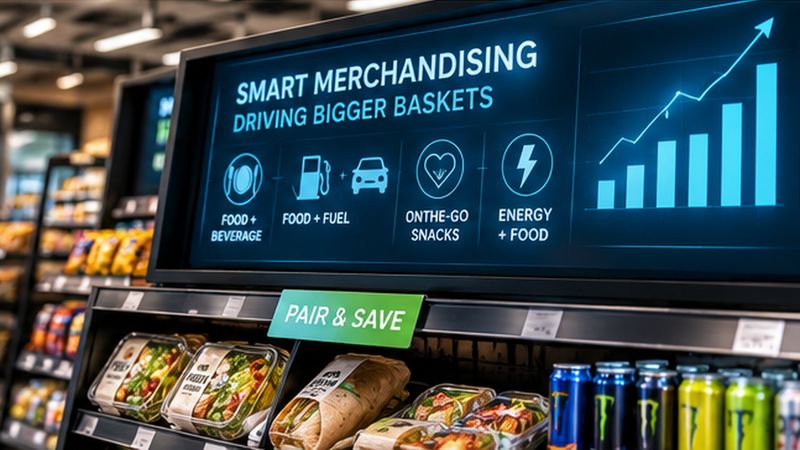
Cross-selling can increase sales by 20% and profits by 30%, according to McKinsey & Co., and convenience stores are uniquely positioned to take advantage of it. Our new white paper, "Cross-Merchandising Techniques," shows exactly how to pair, place, and promote products to move more of both.
Impulse purchases account for as much as 80% of sales in some categories, and shoppers buy three unplanned items in four out of every ten store visits. The stores capturing that spending aren't relying on luck — they're using data and deliberate product pairing.

Cross-merchandising works when it's built on real purchasing data, not guesswork. Here's how to identify the right product pairings, build displays that convert, and train staff to keep the strategy running.
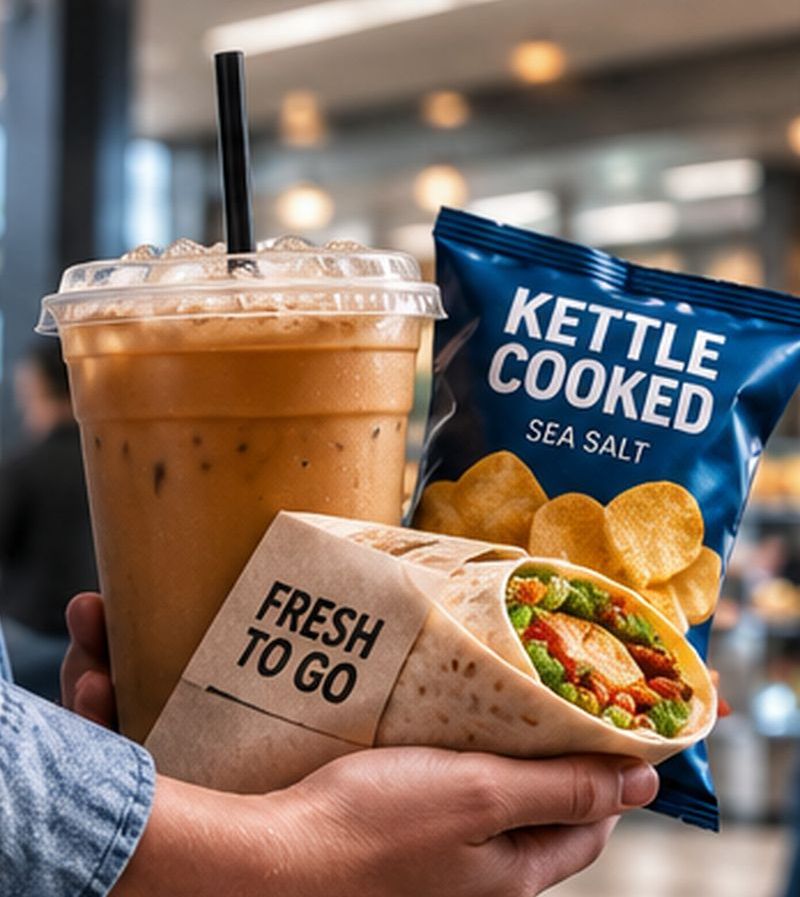
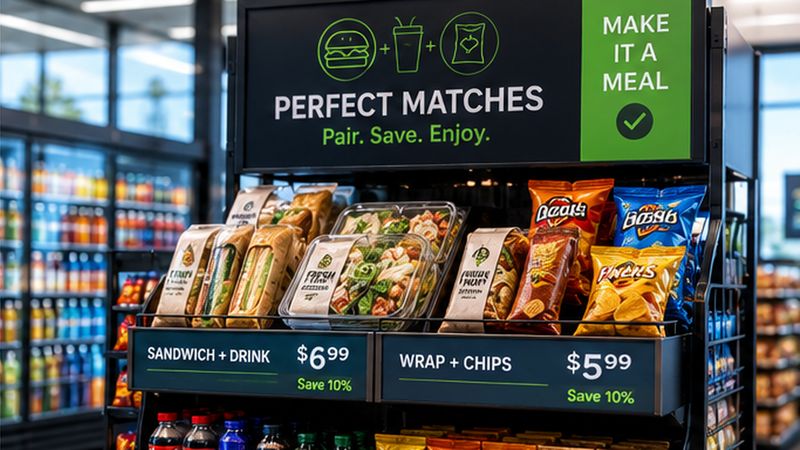
Grouping complementary items, like chips and dip, reduces shopper search time while increasing basket size.
POS data and customer feedback reveal which products actually get purchased together, replacing guesswork with evidence.
Displaying more than five items at once triggers the "paradox of choice" and can hurt conversion instead of helping it.
Positioning impulse items near checkout and end-caps captures customer attention when it's highest.
Aligning displays with holidays, weather, and local events keeps offers timely and increases their pull.
Limited-time offers and bundled pricing tap directly into the spontaneous buying behavior driving up to 80% of sales in some categories.
Employees who understand the strategy behind a display are more likely to execute it, and maintain it, correctly.
Eye-catching graphics and deliberate color choices guide customers toward cross-merchandised pairings.
Cross-merchandising isn't about cramming more onto a shelf — it's about making the right products easy to find together. Get the framework for building displays that increase basket size without overwhelming the shopper.

POS systems and customer feedback reveal hidden shopping patterns — learn how to turn that data into a real merchandising blueprint.

From checkout placement to seasonal themes, get the visual merchandising principles that turn browsing into buying.