Convenience store foodservice generated $242 billion in 2020, nearly a quarter of all in-store sales, and it's still growing. Our new white paper, "The Evolution of Convenience Store Food Service," looks at what's driving that growth and what operators need to get right to keep capturing it.
54% of customers enter a convenience store nearly every time they stop to fuel up or charge, and what they find once they're inside increasingly determines whether they buy anything at all. Health-conscious, grab-and-go, and customizable options are no longer a nice-to-have.

Foodservice has gone from an afterthought to a genuine revenue driver, and the operators capturing that growth are the ones adapting fastest to changing consumer expectations and rising operational pressure.
62% of c-store retailers reported an increase in better-for-you items on their shelves and in their food cases.
52% of consumers say food that's easy to eat on-the-go is their top priority when choosing a convenience store snack.
Mobile ordering, AI-driven forecasting, and kitchen automation are becoming essential to running foodservice efficiently.
68% of c-store retailers named staffing and inflation their primary operational challenge in 2024.
Employee turnover in convenience store foodservice ranges from 50% to 150% a year, making retention strategy a real priority.
Comprehensive training and automated tracking systems protect both customers and brand reputation.
Foodservice reached $242 billion in sales in 2020 alone, accounting for 22.6% of total in-store convenience store sales.
36% of consumers say they're willing to try new prepared foods, opening room for international and diverse flavor offerings.
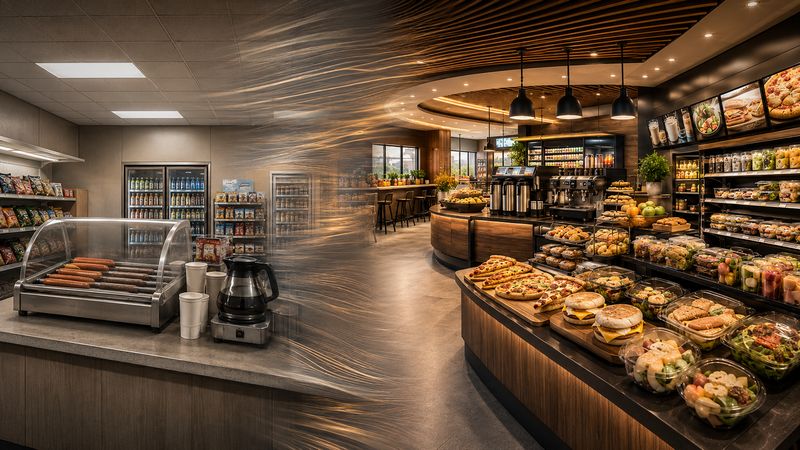
Foodservice is no longer a side business for convenience stores — it's a genuine growth engine. Understanding what today's customers actually want, and what it takes to deliver it reliably, separates operators capturing that growth from those leaving it on the table.

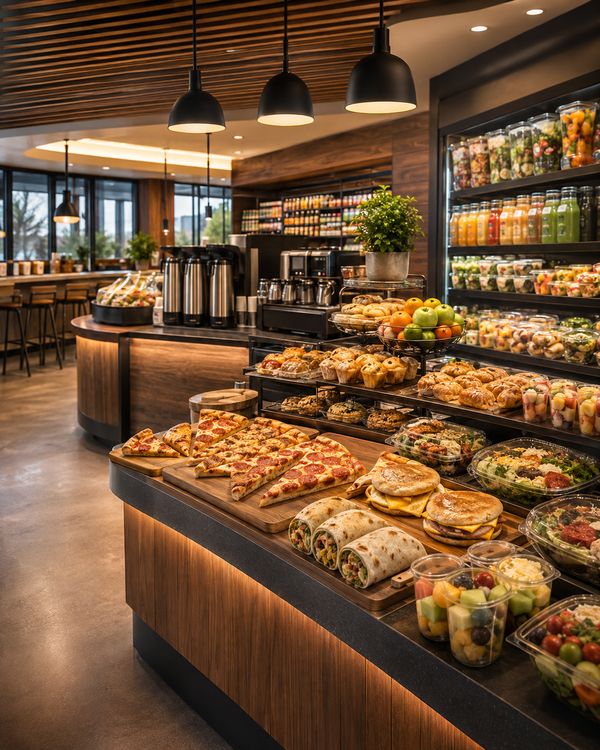
From health-conscious demand to grab-and-go convenience, understand the consumer shifts reshaping what belongs in the food case.

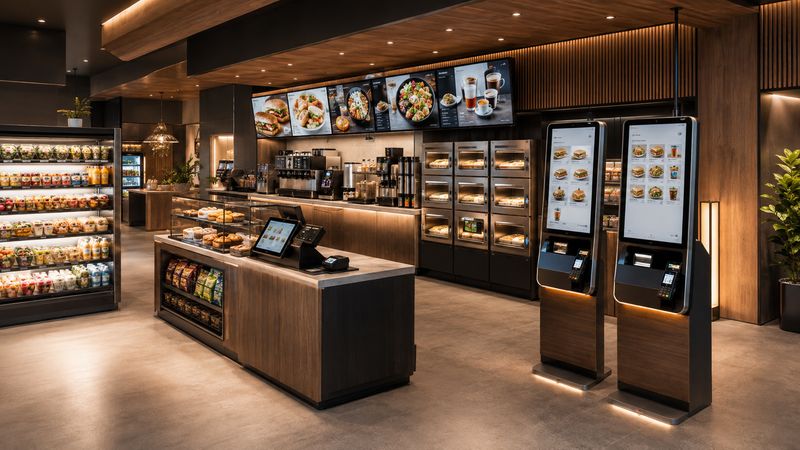
Mobile ordering, automation, and smart forecasting are helping operators do more with fewer hands on deck.