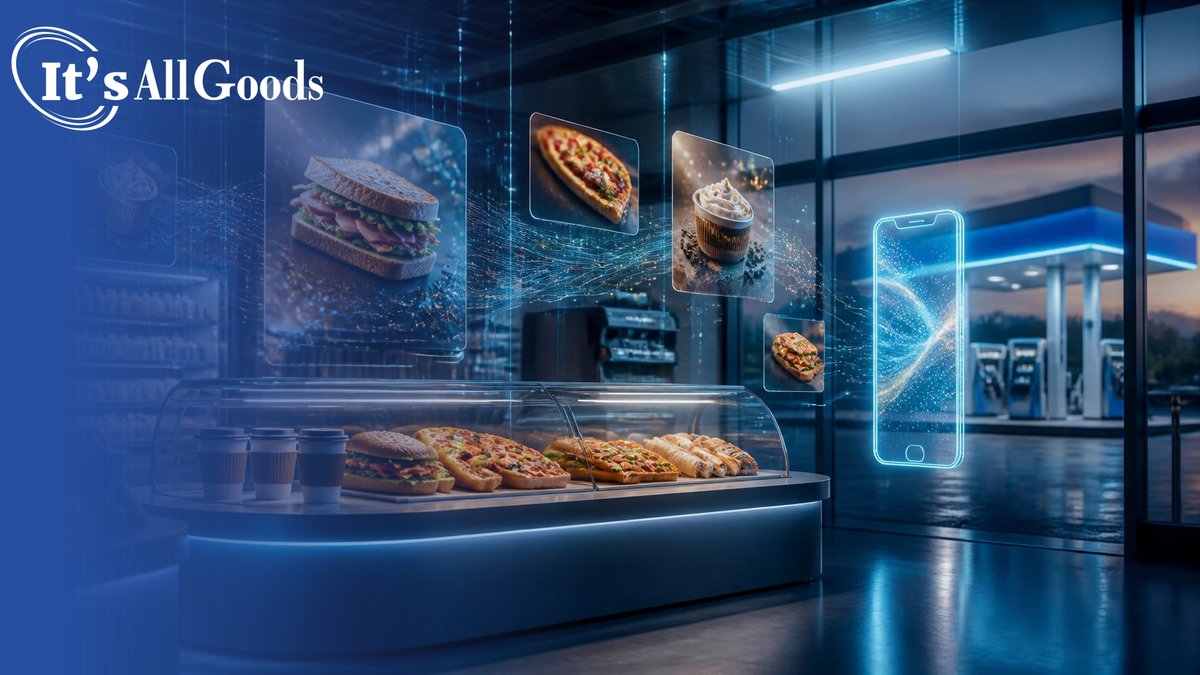


resh and prepared foods have moved from a secondary offering to one of the most important competitive tools in convenience retail. Customers who once viewed convenience stores primarily as places to buy fuel, beverages, or impulse snacks now increasingly expect credible meal solutions they can trust, purchase quickly, and consume immediately. That shift has elevated grab-and-go and prepared foods from optional add-ons to strategic growth drivers.
Retailers that understand this change are not simply selling sandwiches or salads. They are competing for breakfast, lunch, dinner, and snack occasions that were once dominated by quick-service restaurants, grocery delis, and coffee chains. The opportunity is larger than product mix alone. It involves traffic frequency, customer loyalty, and long-term brand relevance.
For years, packaged snacks, candy, and shelf-stable beverages dominated in-store food sales. Those categories remain highly profitable and operationally efficient, but they no longer define the full foodservice opportunity.
Modern consumers often seek meals that balance speed with a sense of freshness. A wrapped turkey sandwich, warm breakfast burrito, chef-prepared salad, fruit cup, or hot entrée can satisfy needs that chips and candy never could. These items allow convenience stores to capture larger transactions and compete for true meal occasions rather than incidental purchases.
Retailers such as Wawa demonstrated this shift years ago by building customer loyalty around made-to-order hoagies, breakfast sandwiches, and premium coffee programs. The broader industry learned an important lesson: consumers would reward convenience retailers that offered food worth seeking out.
Prepared food changed not only what customers bought, but why they visited.
Consumer expectations around convenience food have evolved dramatically. Customers no longer compare a convenience store sandwich only to what another convenience store offers. They compare it to grocery fresh cases, quick-service restaurants, café chains, and delivery apps.
That means shoppers increasingly expect:
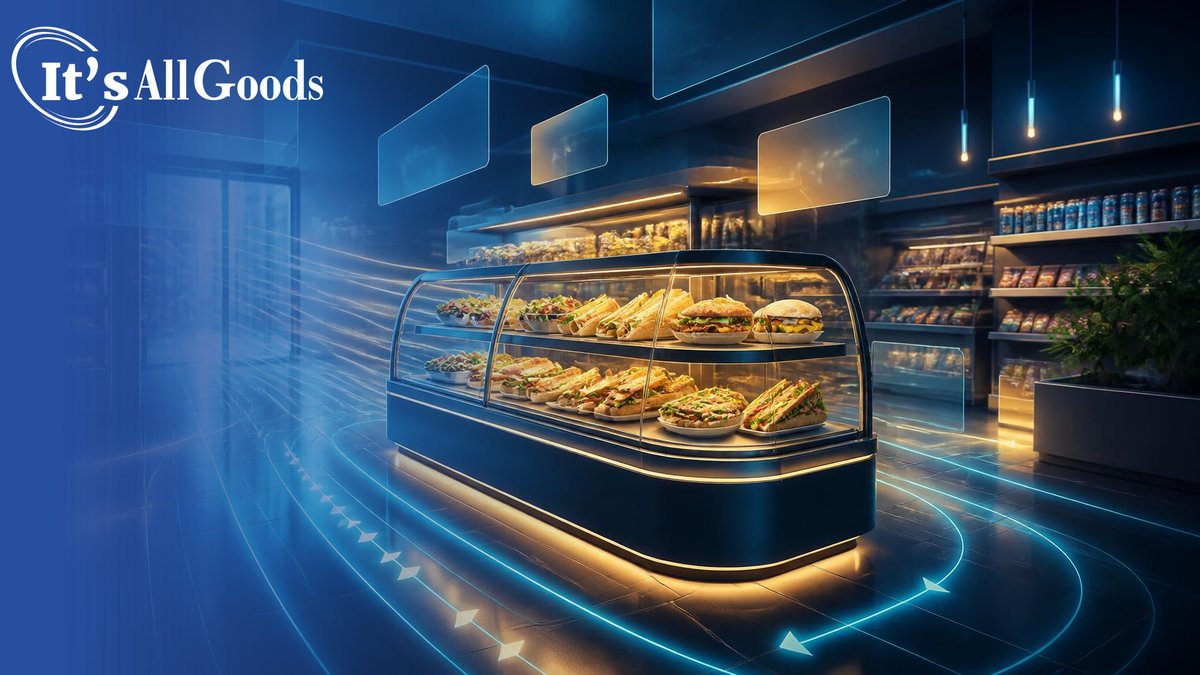
This is why outdated assumptions about “gas station food” continue to lose relevance. A clean, well-stocked refrigerated case can change customer perception in seconds. Likewise, stale presentation or low-quality packaging can reinforce negative assumptions just as quickly.
Retailers such as Casey’s proved that prepared foods like pizza could become destination purchases rather than side categories. Consumers now judge convenience stores less by legacy image and more by present-day execution.
“People do not buy goods and services. They buy relations, stories, and magic.”
Seth Godin, Author and Marketing Strategist
Fresh food often represents that “story” in convenience retail. It signals care, relevance, and a better use of the customer’s limited time.
Grab-and-go programs succeed because they solve a specific modern problem: time scarcity.
Customers commuting to work, traveling between appointments, managing school schedules, or working nontraditional shifts often need food immediately—not after a wait in a drive-thru line or ten-minute custom preparation cycle. A visible, trustworthy fresh case allows them to make a fast decision with minimal friction.
This speed advantage is powerful. In many markets, the customer choosing between a drive-thru queue and a ready-to-purchase fresh item may choose certainty over customization.
Retailers such as QuikTrip have effectively paired grab-and-go breakfast items, beverages, and packaged fresh food with made-to-order programs, serving both speed-driven and customization-driven customers at once. That dual-path model broadens the addressable customer base.
Grab-and-go is not merely merchandising. It is throughput strategy.
Many operators mistakenly assume freshness and speed are opposing forces. They are not.
Customers do not necessarily require that food be handcrafted in front of them. More often, they require confidence that the product was recently made, properly held, attractively packaged, and worth purchasing. In that sense, freshness is frequently about trust as much as timing.
That trust can be created through:
When executed properly, a fresh case can outperform slower made-to-order programs for customers who value speed first. The product may have been prepared earlier, but if it looks fresh and feels reliable, the mission is accomplished.
Fast and fresh are not contradictions when operations are disciplined.
Fresh and prepared foods are powerful only when matched to sound operating systems. Poor forecasting, weak rotation, inconsistent quality, cluttered assortments, or understaffed replenishment can quickly turn fresh food into waste and customer disappointment.
The strongest operators usually succeed by being selective. They build around core items, predictable dayparts, and repeatable production routines rather than chasing excessive variety. A focused assortment of high-velocity sandwiches, salads, breakfast items, and snacks often outperforms an oversized menu with low sell-through.
Fresh food adds value when it aligns with:
Without that alignment, fresh food can become expensive theater—visually attractive but financially weak.
Fresh food programs often create benefits beyond direct food margin.
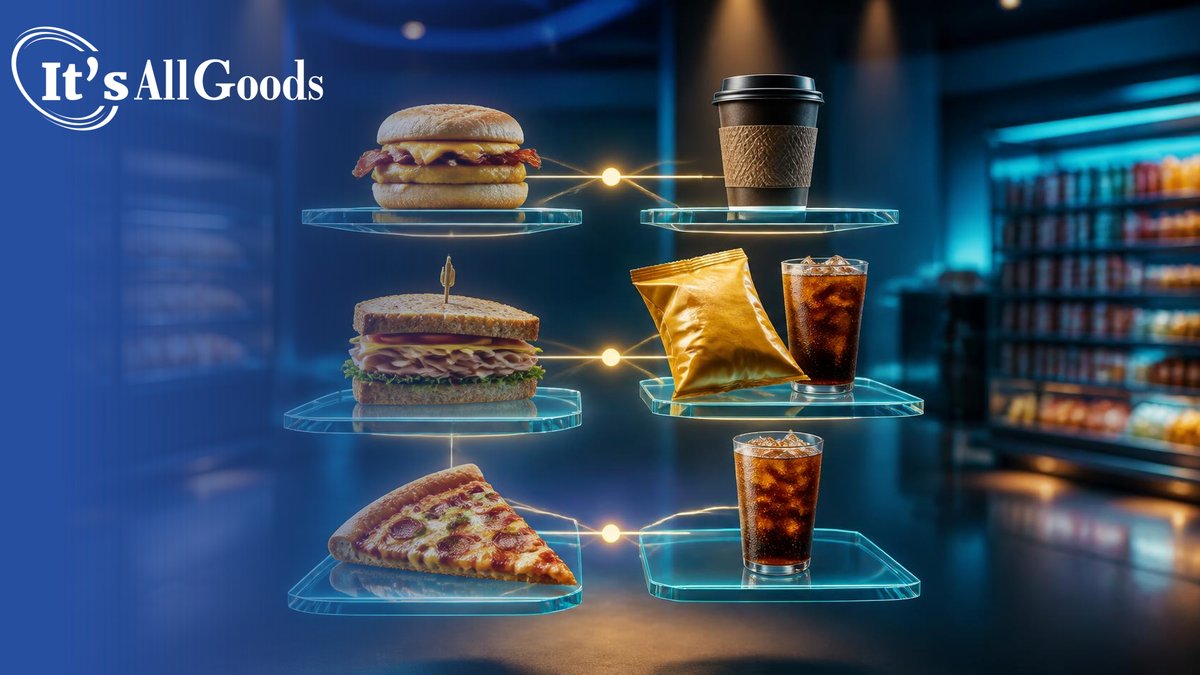
A strong prepared food offer can improve the overall perception of the store, making it feel cleaner, more current, and more relevant. It can increase frequency by giving customers new reasons to visit during meal occasions. It can also create attachment sales in beverages, snacks, and impulse categories.
Perhaps most importantly, fresh food can reposition a retailer in the customer’s mind—from a stop of necessity to a stop of preference.
That distinction matters. Necessity traffic is vulnerable. Preference traffic is more durable.
Fresh and prepared foods matter because they allow convenience retailers to compete for larger, more frequent, and more profitable meal occasions. Grab-and-go programs, in particular, meet modern expectations for speed without sacrificing perceived quality when executed well. Operators that treat fresh food as a disciplined operating system—not merely a merchandising category—are better positioned to build traffic, loyalty, stronger baskets, and long-term relevance in an increasingly competitive food landscape.

Subscribe to receive latest news
12968 Vallejo Circle, Westminster CO. 80234
Phone: (303) 604-1064