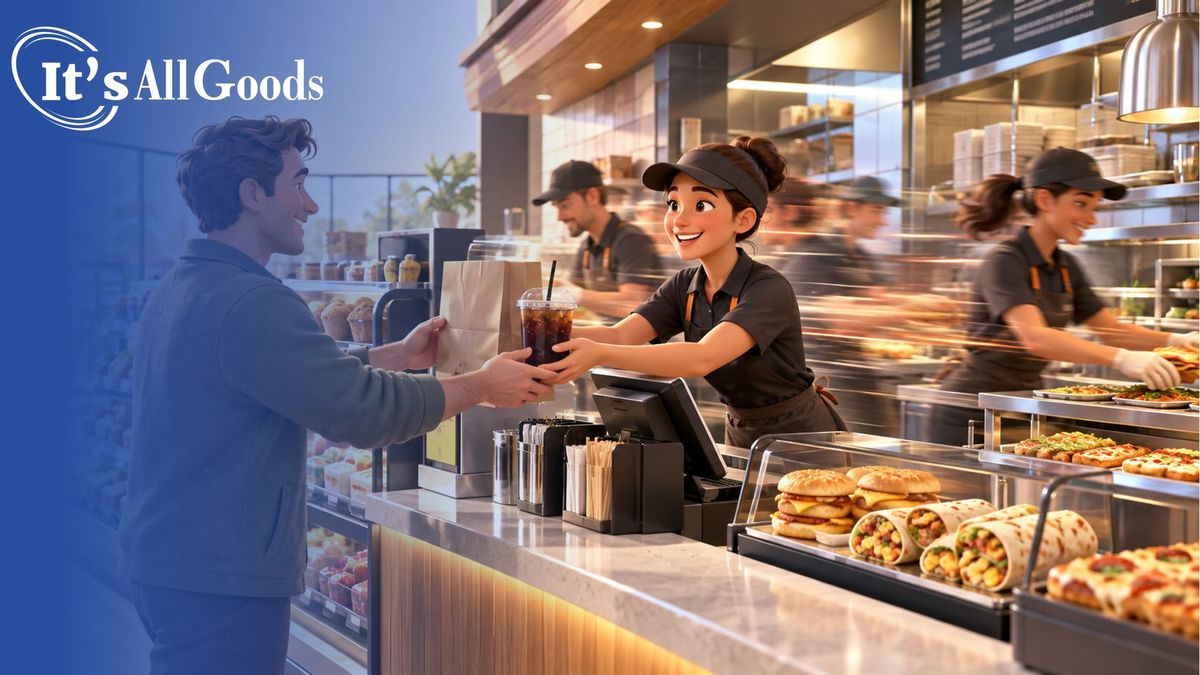


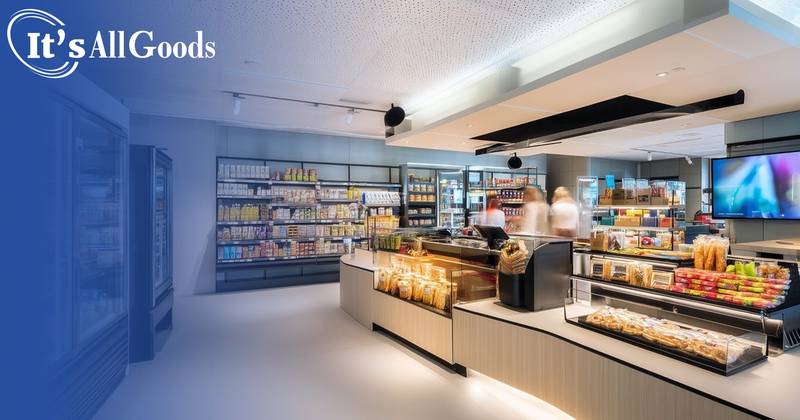
oodservice performance in convenience retail is most visible during peak volume. When lines form and labor compresses, execution either holds or it fractures. The determining factor is rarely staffing alone. It is the way the menu has been constructed to support—or strain—the production environment.
Throughput, labor stability, and shrink control are not outcomes of effort. They are outcomes of design.
Speed is often treated as a frontline service issue. In reality, it is a structural consequence of menu architecture.
Consider QuikTrip’s QT Kitchens model. Rather than offering an expansive, fragmented assortment, QuikTrip built a tightly controlled menu organized around compatible production methods and standardized preparation systems. Items share components. Stations are structured around predictable movement. The menu is intentionally engineered to move at scale.
The result is not minimalism—it is controlled velocity. Customers experience speed because the menu was designed for it.
Every additional ingredient, every isolated preparation path, and every one-off customization introduces motion. In high-volume retail, motion compounds into delay.
Ingredient overlap is commonly viewed as a margin protection strategy. Operationally, it functions as labor insurance.
Casey’s focus on pizza provides a clear illustration. Rather than diversifying aggressively across unrelated prepared food categories, Casey’s built depth around a core product that shares ingredients, preparation flow, and equipment. Dough, sauce, cheese, and toppings operate within a concentrated system. This repetition builds competence and reduces variability across shifts.
By contrast, menus that rely heavily on isolated ingredients fragment attention. Employees must constantly shift mental and physical gears. Error rates rise. Training complexity expands.
Overlap creates rhythm. Rhythm creates efficiency.
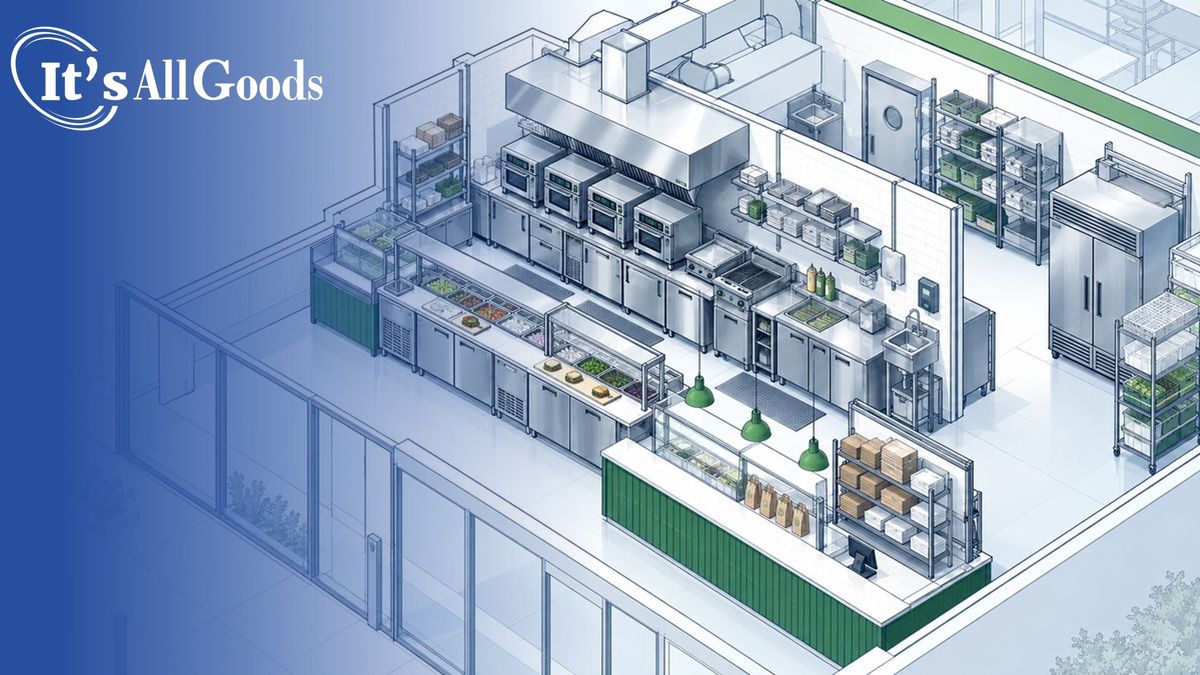
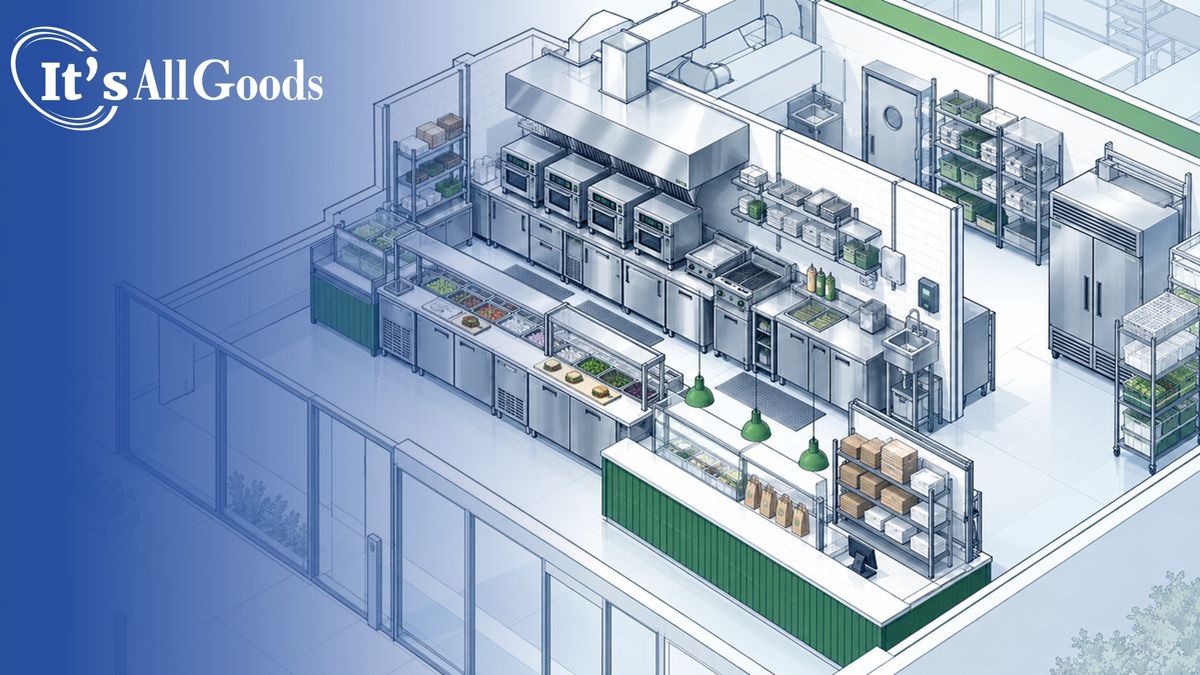
Menu design determines how stations interact under pressure.
Retailers that struggle with foodservice congestion often discover that the root cause is not space—it is sequencing. When menu items require constant transitions between hot preparation, cold assembly, baking, and finishing, employees are forced into reactive motion.
Wawa’s structured build platform demonstrates a different approach. Even with customization, Wawa’s sandwich system operates within controlled guardrails. Core ingredients and build processes follow defined paths. Customization exists, but it is bounded by structure. This preserves flexibility without sacrificing flow.
The principle is consistent: menu flexibility must operate inside operational discipline.
“Complexity is the silent killer of productivity.”
Tim Cook, CEO, Apple Inc.
While directed toward product design, the observation applies directly to high-velocity food environments. Productivity erodes not through visible failure, but through accumulated friction.
Operational efficiency improves when menus respect daypart rhythms.
Retailers such as Wawa have built strong breakfast identity—particularly around hoagies and breakfast sandwiches—creating predictable morning demand that aligns with prep systems. This clarity reduces volatility during peak breakfast hours. By contrast, stores attempting to serve every item at every hour dilute predictability and increase prep waste.
Daypart discipline does not limit opportunity. It concentrates it.
When leadership aligns core menu items with reliable demand windows, labor planning stabilizes and shrink exposure declines.
The most difficult operational decision is often removal.
Limited-time offerings that remain on menus long after their novelty fades can strain prep flow without delivering sustained traffic. Retailers that conduct structured SKU velocity reviews—evaluating prep burden relative to sales contribution—are better positioned to protect throughput.
Eliminating a low-performing item can restore seconds per transaction. Over dozens of transactions per hour, that compounds into meaningful operational relief.
Expansion feels like growth. Discipline sustains it.
Throughput and labor efficiency are not frontline corrections—they are architectural outcomes. Ingredient overlap, structured sequencing, and daypart clarity determine whether a foodservice system holds under pressure.
Retailers that engineer menus for execution, not expansion, create operational stability that competitors struggle to replicate.
Foodservice operations in convenience retail do not fail because teams lack effort. They falter when menu complexity exceeds structural capacity.
Before adding labor, equipment, or new product lines, leadership should examine the architecture of the menu itself. Efficiency is often restored not by doing more, but by designing better.

Subscribe to receive latest news
12968 Vallejo Circle, Westminster CO. 80234
Phone: (303) 604-1064
Contact Us