

oodservice did not become a core business in convenience retail because menus improved alone. The transformation happened because operations changed—deliberately and often uncomfortably. Retailers that succeeded were willing to redesign kitchens, retrain teams, rethink menus, and accept that foodservice required a different operating discipline than packaged retail.
The difference between foodservice that scales and foodservice that stalls is rarely the idea. It is execution.
Early foodservice programs were often squeezed into leftover space. Prep areas were improvised, equipment placement followed available outlets rather than workflow, and foodservice competed with the rest of the store for attention and resources.
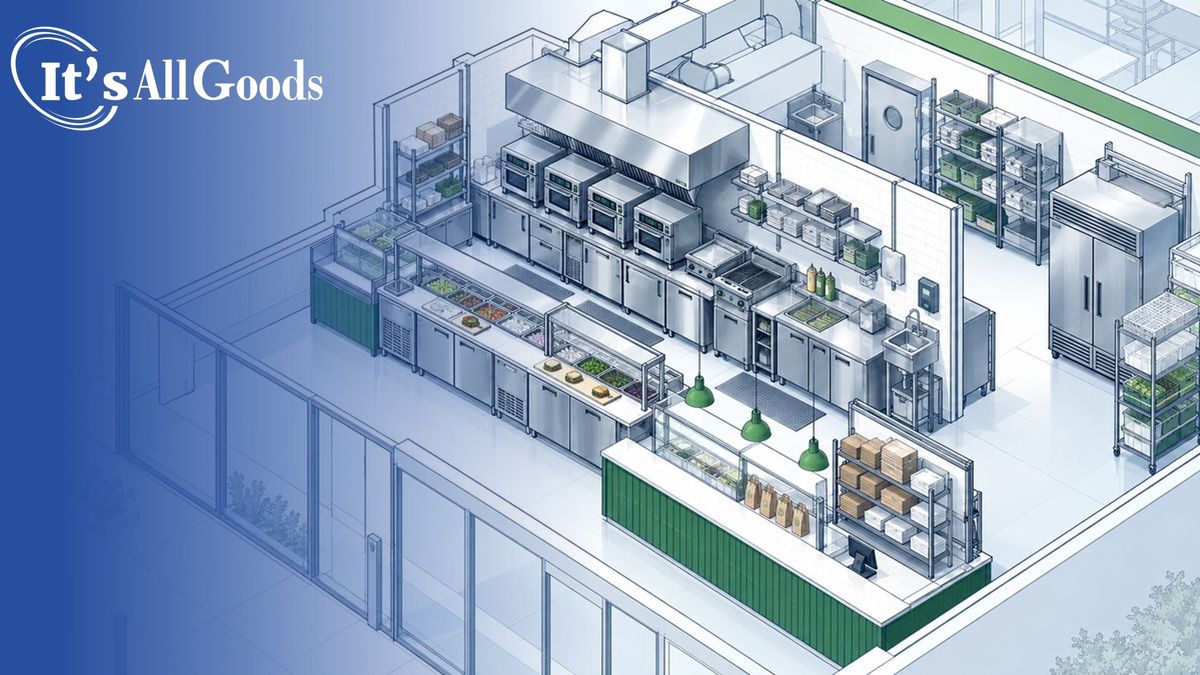
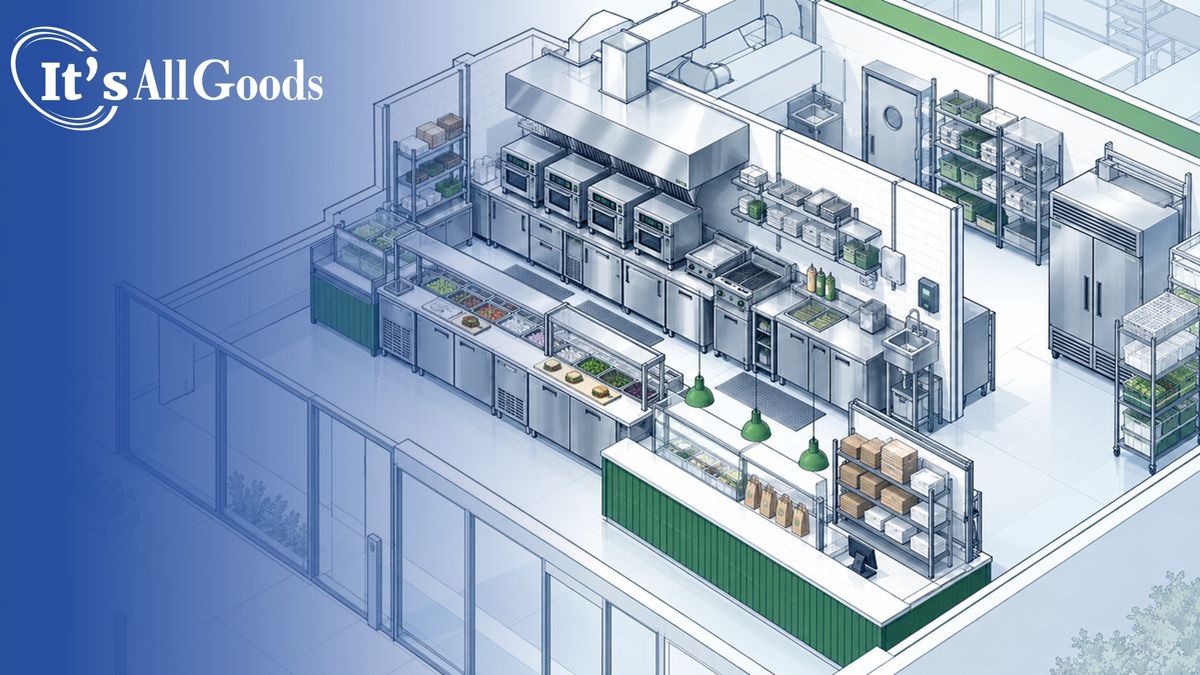
As food became more important, layout followed strategy. Retailers began designing intentional food zones with clear flows for receiving, preparation, cooking, holding, and service. The goal was not to build restaurant kitchens, but to remove friction. Even modest layout changes often produced meaningful improvements in speed and consistency.
Equipment choices quietly determine what a store can execute day after day.
Advances in speed ovens, holding cabinets, and programmable cooking equipment made it possible to deliver consistent food quality with fewer manual steps—critical in high-turnover environments. Coverage in Convenience Store News on foodservice operations
consistently highlights equipment reliability and ease of use as key drivers of store-level success.
Retailers that standardized equipment platforms reduced variability, simplified training, and protected execution during peak periods.
Foodservice forced a reckoning with traditional convenience store staffing models. Prep, cooking, and service became continuous responsibilities rather than occasional tasks.
Operators that succeeded simplified roles, aligned labor planning with food production rhythms, and reduced menu-driven complexity. This approach stabilized execution and reduced burnout—without simply adding labor.
As foodservice expanded, many retailers initially added too many items too quickly. The result was slower service, more errors, and higher waste.
“Consistency is the foundation of food safety in retail environments. If a process only works when conditions are perfect, it’s not a real process.” Margaret Chabris, Former VP of Food Safety & Regulatory Compliance, Wawa
Successful operators reversed course. They focused on menus that could be executed flawlessly, favoring items that shared ingredients, equipment, and prep methods. Analysis from CSP Daily News on menu strategy has repeatedly shown that streamlined menus support higher throughput and more reliable food quality in high-volume environments.
Menu discipline became an operational advantage.
As preparation increased, so did risk. Food safety could no longer be managed informally.
Retailers that scaled foodservice successfully treated food safety as a system. Processes were designed to work under real-world pressure, not ideal conditions. Training emphasized habits and consistency rather than rule memorization.
Foodservice growth was enabled by aligned operational systems—layout, equipment, staffing, menus, and food safety reinforcing one another. Retailers that treated foodservice as an operating system built resilience. Those that treated it as a side project struggled to scale.

Subscribe to receive latest news
12968 Vallejo Circle, Westminster CO. 80234
Phone: (303) 604-1064
Contact Us