

or decades, food inside convenience stores played a supporting role. It existed to complement fuel sales, satisfy impulse needs, or capture late-night traffic when other options were closed. Hot dogs on roller grills, packaged sandwiches, and reheated items were never meant to compete with restaurants—they were meant to be “good enough.”
That assumption no longer holds.
Today, foodservice has become one of the most important strategic pillars in convenience retail. It drives traffic independent of fuel, shapes brand perception, influences store choice, and delivers margins that often exceed traditional in-store categories. Understanding how this shift happened—and why it matters—is foundational to understanding modern convenience store strategy.
Historically, convenience stores were built around speed and necessity. Fuel drove visits. Inside sales supplemented margins. Food offerings were designed to be simple, low-risk, and fast to execute with minimal labor.
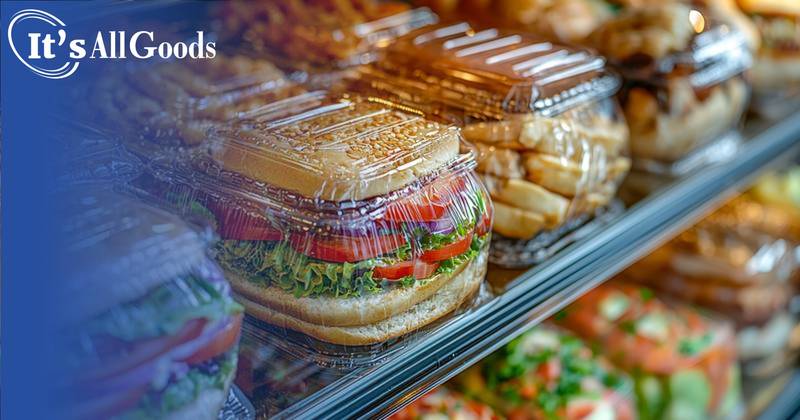
Most early food programs shared common traits: limited preparation, long holding times, minimal training requirements, and low expectations around freshness or variety. The goal was not culinary appeal—it was availability. Food filled a gap rather than creating demand.
This model worked when consumer expectations were low and alternatives were limited. But it also capped growth. Food was constrained by design, not strategy.
As consumer behavior evolved, those constraints became liabilities.
Customers increasingly began to evaluate convenience stores through the same lens they applied to restaurants and quick-service brands: food quality, freshness, consistency, and value. Busy schedules, longer commutes, and shifting meal patterns blurred the line between “snack” and “meal,” increasing the number of food decisions made on the go.
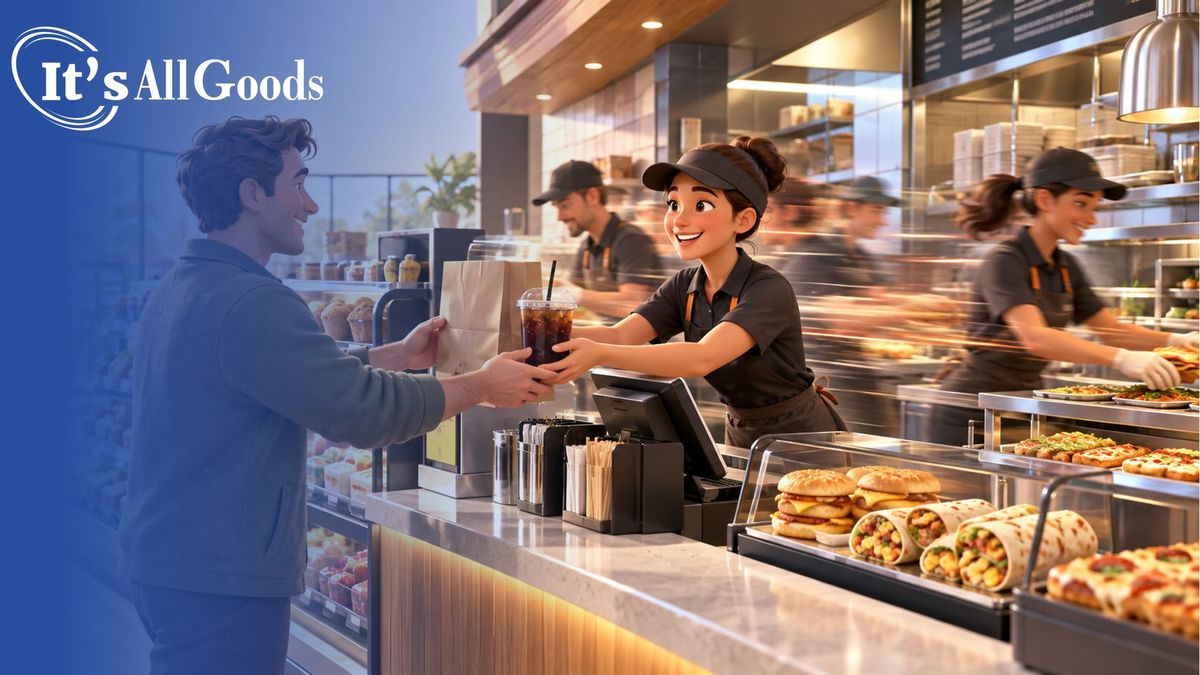
Retailers such as Wawa and Sheetz demonstrated early that customers were willing to buy freshly prepared food from a convenience store—if it met their expectations. These brands invested in menu quality, kitchen design, and operational discipline, redefining what foodservice inside a c-store could be.
The implication was clear: convenience alone was no longer enough. Food had to compete on merit.
At the same time consumer expectations were rising, economic pressures were reshaping the convenience channel.
Fuel margins tightened. Packaged goods became increasingly commoditized. Price transparency made it harder to differentiate on traditional in-store items alone. Retailers needed new ways to drive inside-store profitability and repeat visits.
Foodservice emerged as a natural answer. Prepared food offered higher gross margins, greater pricing control, and stronger emotional engagement than many packaged categories.
Retailers like Casey’s demonstrated how a focused prepared food program—centered on pizza—could become a defining brand asset rather than a supporting category. Food was no longer just filling space; it was driving the business.
Foodservice did not become a core business simply because retailers wanted it to. It became possible because operations evolved to support it.
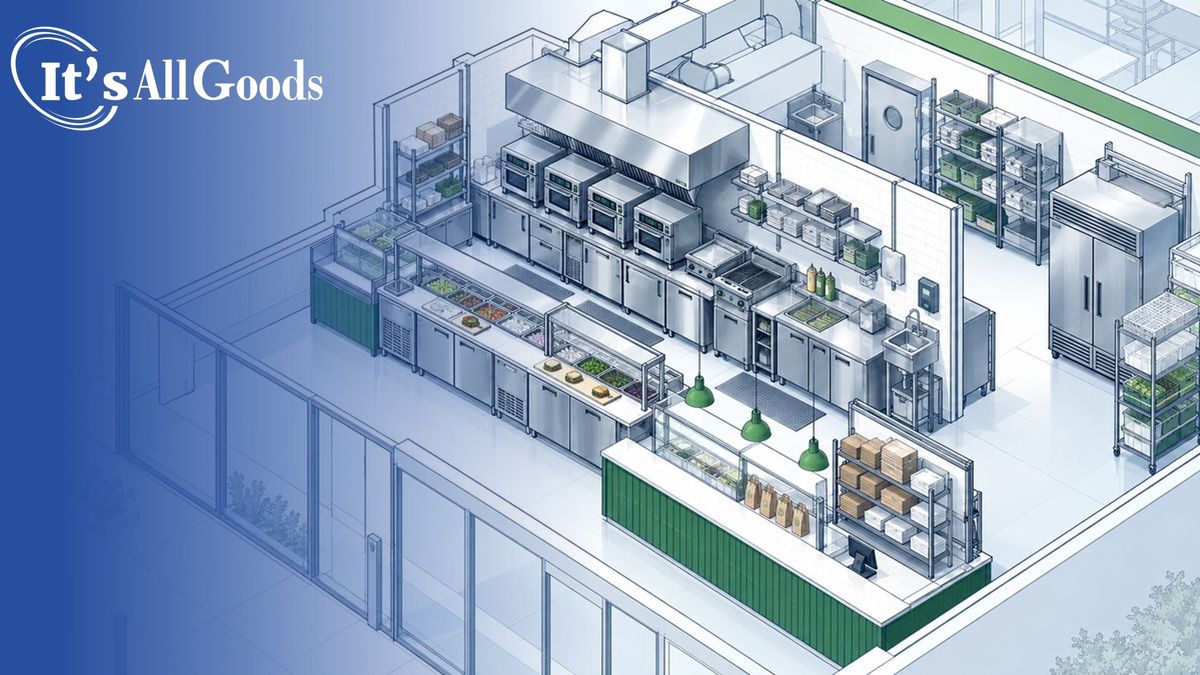
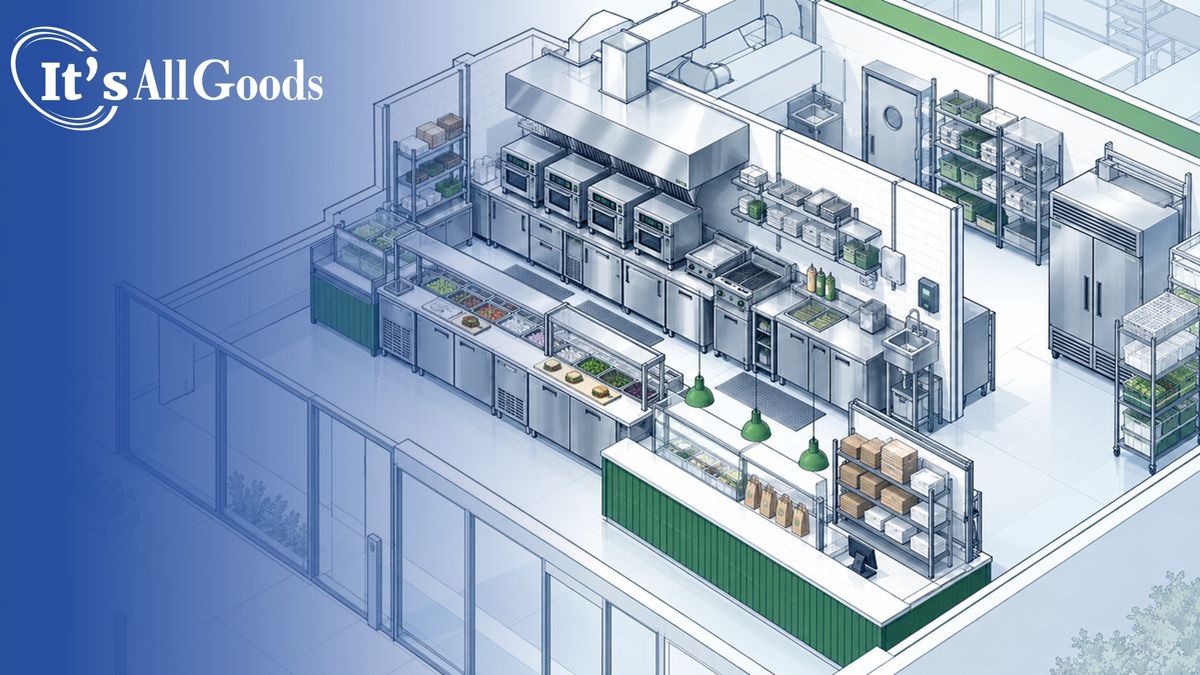
Kitchen layouts shifted from improvised prep areas to intentional food zones. Equipment improved speed and consistency. Menus became more disciplined. Training expanded. Supply chains adapted to fresh and prepared foods.
Brands such as QuikTrip invested heavily in operational discipline, allowing foodservice to scale without overwhelming store teams. The lesson was not that food had to be complex—it had to be designed for the environment.
Foodservice success was no longer about recipes. It was about systems.
“The brands that win in foodservice are the ones that treat it as an operating system, not a promotion.”
Don Longo, Founder, Convenience Store News
As food programs improved, something unexpected happened: food began to redefine how customers perceived the entire store.
Cleanliness, professionalism, and consistency in foodservice carried over to perceptions of the brand as a whole. A strong food program signaled investment, care, and relevance. A weak one did the opposite.
For many customers, foodservice now answers a quiet but decisive question before they ever pull into the lot: Is this a place I want to eat? That question influences not just food sales, but overall traffic patterns and loyalty.
Retailers like Buc-ee’s took this concept to an extreme, using expansive, high-quality food offerings to turn convenience retail into a destination experience. While not every operator can—or should—replicate that model, the underlying insight holds: food shapes identity.
Key Takeaways for Today’s Operators
Foodservice evolved from a convenience offering into a core business because consumer expectations, margins, and competition changed simultaneously. Successful programs are built on systems and discipline, not ambition alone. Operational design—not culinary creativity—determines scalability, and foodservice now functions as a powerful brand signal that influences traffic, loyalty, and perception beyond the menu itself.

Subscribe to receive latest news
12968 Vallejo Circle, Westminster CO. 80234
Phone: (303) 604-1064
Contact Us