

onvenience store foodservice has reached an inflection point. The question is no longer whether food belongs at the center of the business—it clearly does. The more pressing question is how foodservice will evolve as expectations continue to rise, labor remains constrained, and competitive boundaries continue to blur.
The next phase of growth will not be driven by experimentation alone. It will be shaped by discipline, clarity, and strategic restraint.
One of the most consequential shifts underway is the continued erosion of the line between convenience stores and quick-service restaurants.
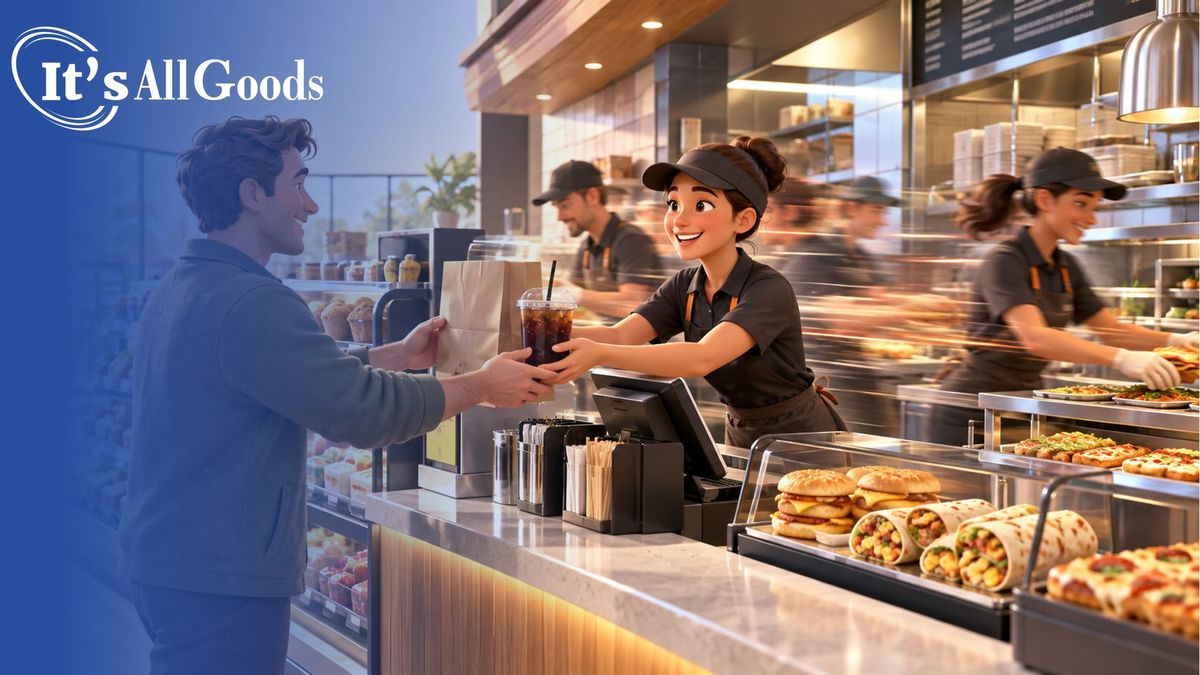
Customers increasingly compare food across channels, not formats. A breakfast sandwich purchased at a convenience store is no longer judged against “gas station food,” but against QSR alternatives offering speed, consistency, and perceived value. In many markets, convenience stores now compete directly for core meal occasions throughout the day.
Retailers such as Wawa, Sheetz, and Casey’s have demonstrated that customers will accept—and often prefer—foodservice from a convenience store when it delivers on fundamentals. At the same time, restaurant brands are borrowing elements long associated with convenience retail: smaller footprints, simplified menus, faster throughput, and technology-enabled ordering.
This convergence does not mean convenience stores must become restaurants. It does mean they must understand that foodservice now operates in a comparative marketplace, not a protected one.
As foodservice matures, its role within the store continues to expand.
For many operators, food is no longer something customers buy after stopping—it is the reason they stop in the first place. This shift fundamentally changes how foodservice should be evaluated and managed. Success can no longer be measured solely by food margins or unit volumes. Traffic generation, repeat visits, and brand relevance become equally important indicators.
When food drives the visit, it reshapes the rest of the store. Beverage attachment improves. Impulse purchases increase. The overall customer relationship deepens. Foodservice becomes less about incremental sales and more about store relevance.
Retailers that understand this dynamic tend to prioritize reliability over novelty. They invest in food programs that customers can depend on, rather than chasing constant menu innovation that strains execution.
Technology will continue to influence foodservice, but its role is often misunderstood at the leadership level.
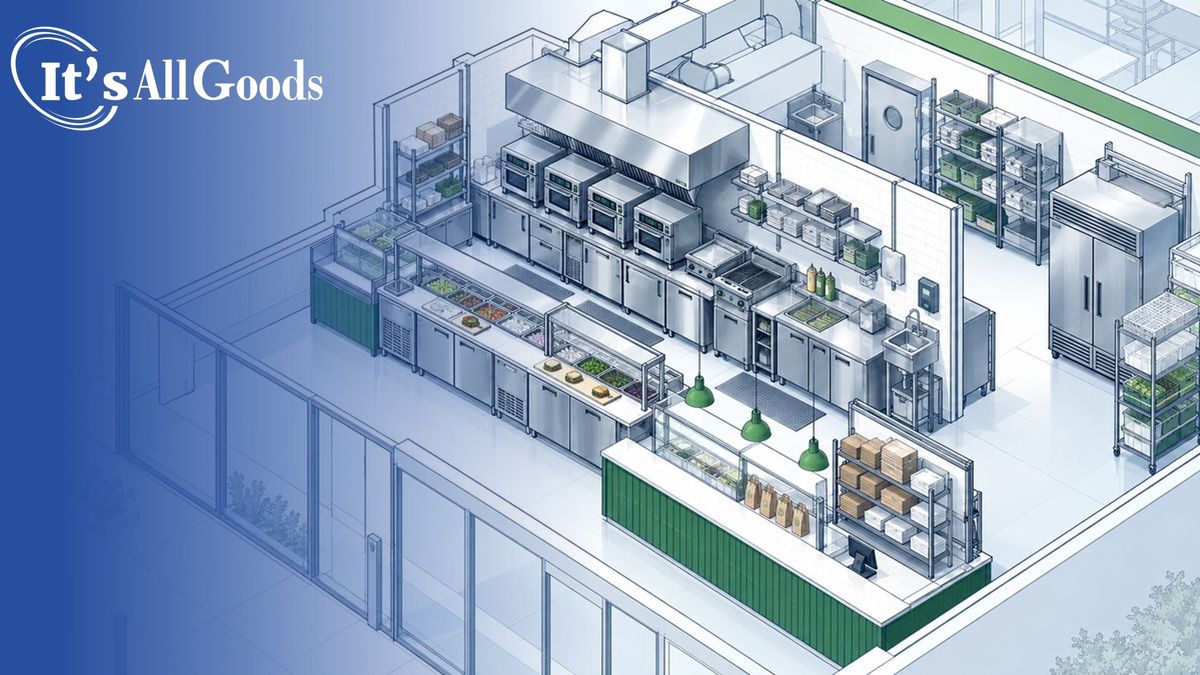
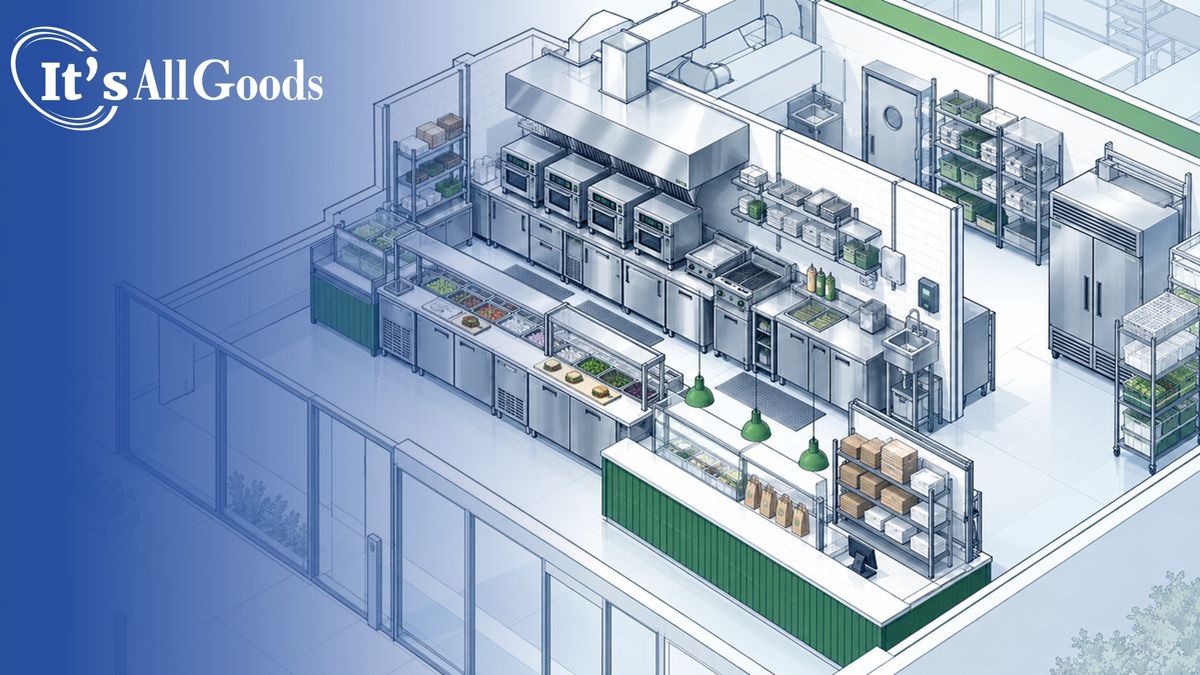
Digital ordering, loyalty integration, kitchen display systems, and production planning tools can all support scale—but only when deployed against stable, well-designed operations. Technology amplifies what already exists. It does not compensate for unclear menus, poor layouts, or inconsistent processes.
“The future of convenience retail belongs to operators who treat foodservice as a traffic strategy, not a promotional feature.”
Brian Hannasch, President & CEO, Alimentation Couche-Tard
Retailers that struggle with foodservice often attempt to solve structural problems with digital tools. Those that succeed typically reverse the sequence: they simplify first, then digitize. In this way, technology becomes an enabler of consistency rather than a source of additional complexity.
As foodservice becomes more central to the business, leadership teams will need to evaluate technology investments through an operational lens, not a novelty lens.
Consumer interest in health, ingredient transparency, and food quality will continue to shape foodservice expectations. However, the opportunity for convenience stores is not unlimited customization or endless choice.
In high-velocity environments, clarity often outperforms flexibility. Customers want to understand what they are buying and trust its quality, but they also value speed and predictability. Programs that attempt to mirror restaurant-level customization frequently introduce friction that undermines throughput and consistency.
The strategic opportunity lies in selective alignment—offering food that feels intentional, understandable, and well-executed, without overextending operations. This requires leadership discipline and a willingness to say no to initiatives that look appealing but strain execution.
As foodservice becomes a defining element of convenience retail, standing still carries increasing risk.
Legacy food programs that are not reassessed will struggle to meet rising expectations. Stores that fail to evolve risk occupying an uncomfortable middle ground: not fast enough to compete on convenience, not compelling enough to compete on food. In that space, customer loyalty erodes quietly but steadily.
The most significant risk is not investing too much in foodservice. It is assuming that yesterday’s model will remain sufficient tomorrow.
The next phase of convenience store foodservice will favor leaders who understand food as a system, not a trend. Growth will be driven less by bold concepts and more by disciplined execution at scale.
Key realities are already clear:
For organizations willing to treat foodservice as a core strategic capability—and manage it accordingly—the opportunity remains substantial.
Convenience store foodservice has moved beyond its experimental phase. The future belongs to retailers that refine, simplify, and strengthen what they already know works, rather than chasing what merely looks new.
Food has reshaped the convenience business. The challenge ahead is ensuring leadership decisions are shaped by food in return.

Subscribe to receive latest news
12968 Vallejo Circle, Westminster CO. 80234
Phone: (303) 604-1064
Contact Us