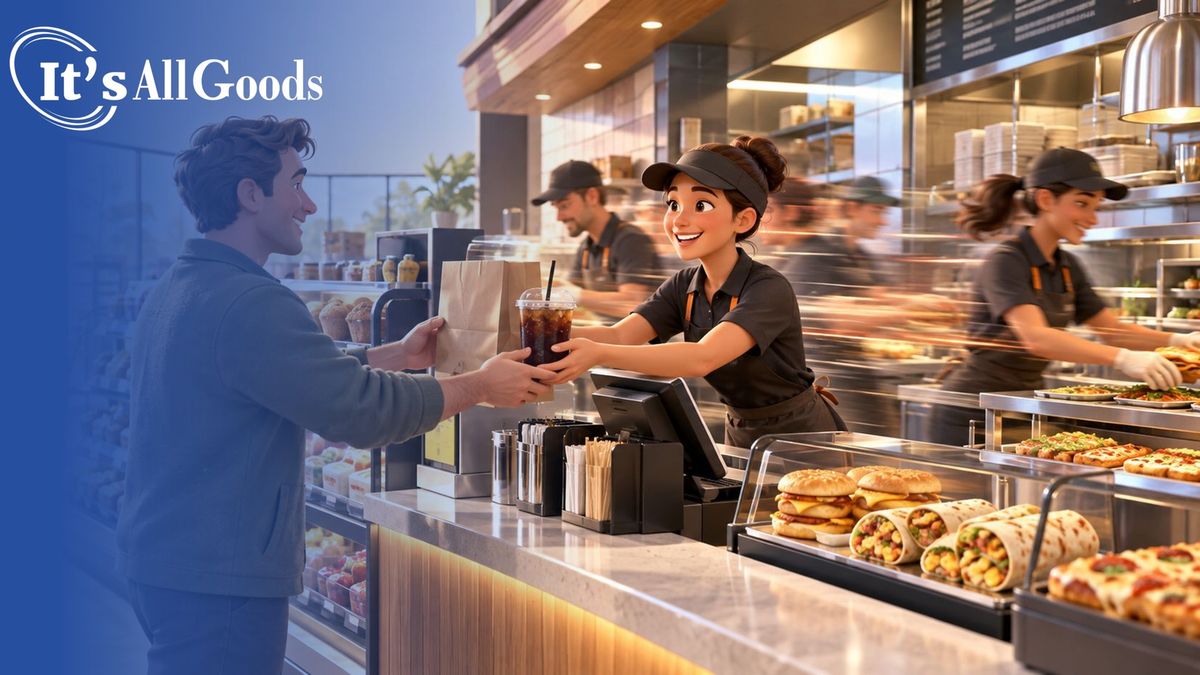


very successful foodservice program eventually reaches the same conclusion: systems matter, training matters, and equipment matters—but culture determines whether any of them endure. Two stores may operate under the same brand, use identical recipes, and follow the same procedures, yet consistently produce different customer experiences. The difference is rarely found in the operating manual. It is found in leadership.
Foodservice excellence is sustained when employees understand not only what is expected, but why those expectations matter. Culture is the bridge between standards and execution.
Store culture develops long before employees realize it. Every interaction between a manager and team member communicates what the organization truly values.
When leaders consistently emphasize food quality, cleanliness, customer service, and teamwork, employees naturally recognize those priorities. Conversely, when speed is rewarded regardless of quality, or when shortcuts go unaddressed, those behaviors quickly become part of the store's operating culture.
Leadership is not defined by policies posted in a break room. It is demonstrated through daily decisions, coaching conversations, and visible commitment to operational excellence.
Retailers known for outstanding foodservice execution typically develop leaders who spend as much time teaching expectations as enforcing them.
Some organizations view accountability as discipline. High-performing organizations view it as clarity.
Employees perform best when they understand exactly what success looks like. Clear expectations remove uncertainty and allow team members to take ownership of their responsibilities. Accountability becomes less about correcting mistakes and more about reinforcing consistent habits.
Effective accountability includes regular observation, constructive feedback, measurable standards, and recognition for work performed well. Employees who know where they stand generally perform with greater confidence than those who receive feedback only when problems arise.
Strong accountability systems create trust because expectations remain consistent for everyone.
“Culture is simply a shared way of doing something with passion.”
Brian Chesky, Co-founder and CEO, Airbnb
In foodservice, that shared way of working becomes visible in every customer interaction, every prepared meal, and every shift change.
Recognition is often underestimated as an operational tool.
Employees who consistently prepare quality food, maintain clean work areas, assist teammates, and provide exceptional customer service contribute directly to business performance. When those efforts are acknowledged, they are more likely to be repeated.
Recognition does not always require financial incentives. Public appreciation, additional responsibility, professional development opportunities, and simple expressions of gratitude can strengthen engagement significantly.
Retailers that celebrate operational excellence communicate that quality matters—not only to customers, but to leadership as well.
Recognition reinforces the behaviors organizations hope to preserve.
No operating manual can anticipate every situation a foodservice employee will encounter.
Equipment malfunctions, unexpected customer requests, delivery delays, staffing shortages, and sudden traffic spikes all require judgment. Organizations that encourage thoughtful decision-making build more resilient teams than those requiring approval for every adjustment.
Empowerment is not the absence of standards. It is confidence within clearly defined boundaries.
First class c-stores develop employees who operate with confidence while maintaining consistent service standards. That balance between autonomy and accountability allows stores to respond quickly without sacrificing quality.
Empowered employees improve both operational performance and customer satisfaction.
Many employees begin working in convenience retail seeking immediate employment, yet a surprising number remain because they discover meaningful opportunities for advancement.
Organizations that clearly communicate career pathways often experience stronger retention than those treating every position as temporary. Cross-training, leadership development, mentoring, and internal promotion all demonstrate that employee growth is valued.
Companies that invest in future leaders also strengthen succession planning. Experienced employees carry institutional knowledge, mentor newer associates, and preserve operational standards during periods of growth.
Career development therefore benefits both individuals and the organization.
Customers rarely observe internal meetings, training sessions, or performance reviews. They experience culture indirectly through employee behavior.
Friendly greetings, clean foodservice areas, confident product recommendations, well-stocked fresh cases, and consistent food quality all reflect the internal culture of the organization. Customers may never describe it as culture, but they recognize the results immediately.
A positive foodservice culture creates consistency that customers trust. That trust becomes loyalty, repeat visits, and positive word-of-mouth—advantages that are difficult for competitors to duplicate.
Culture ultimately becomes a business strategy.
Building a successful foodservice program requires more than hiring talented employees and providing effective training. Long-term success depends on creating a culture where leadership is visible, expectations are clear, accountability is constructive, and employees feel valued for their contributions. Convenience retailers that invest in culture develop teams capable of delivering consistent food quality, exceptional customer experiences, and operational excellence long after individual initiatives or promotions have ended. In the end, culture is not simply how an organization works—it is how an organization wins.
Subscribe to receive latest news
12968 Vallejo Circle, Westminster CO. 80234
Phone: (303) 604-1064