

rivate label once carried a fairly simple proposition: offer shoppers a lower-priced alternative to a nationally recognized brand. That definition no longer captures what retailer-owned products can accomplish. Across food retail, store brands have developed into sophisticated product portfolios designed around quality, innovation, value, convenience, and increasingly distinctive brand identities.
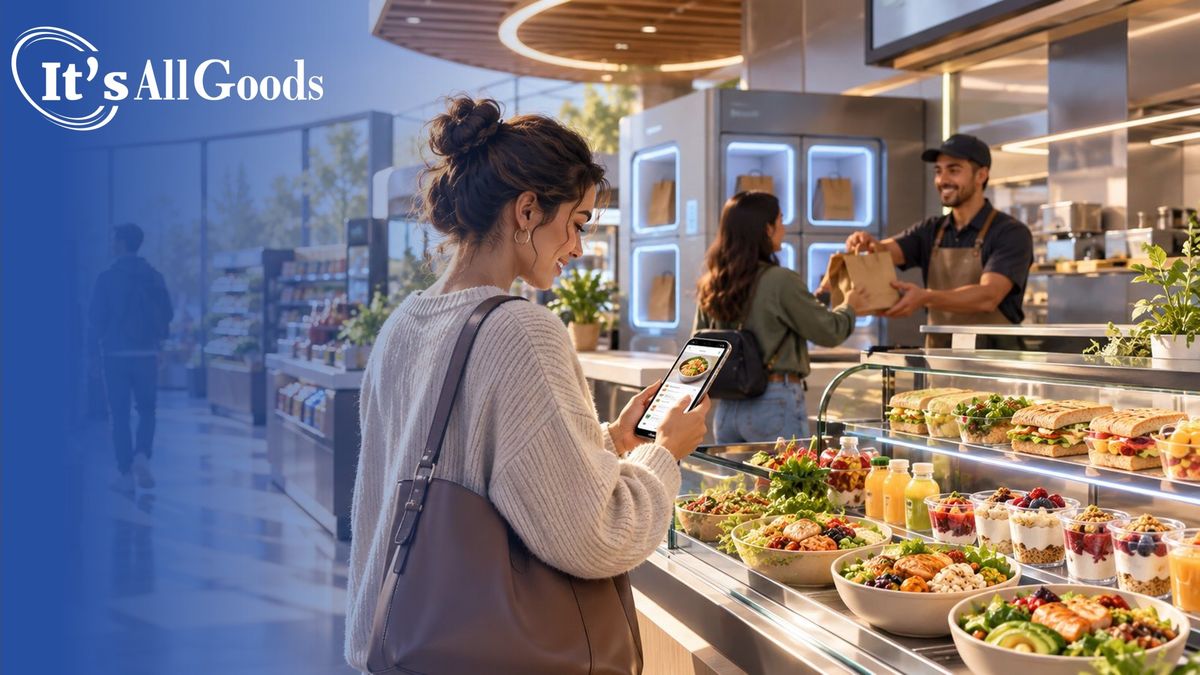
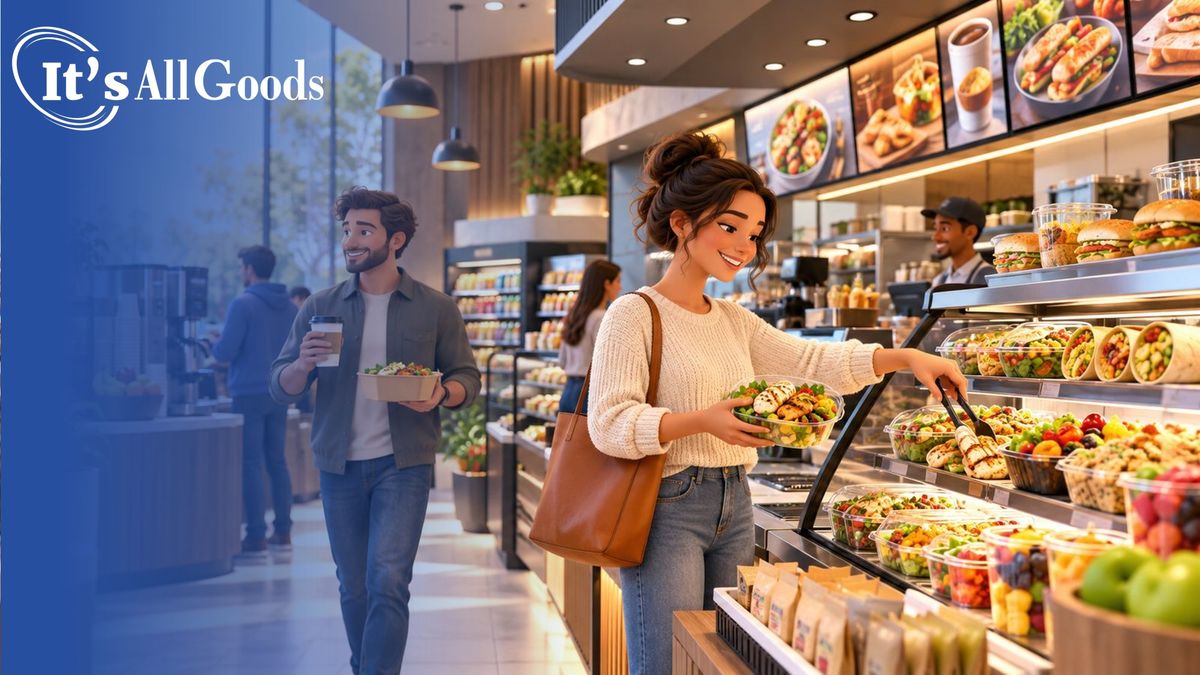
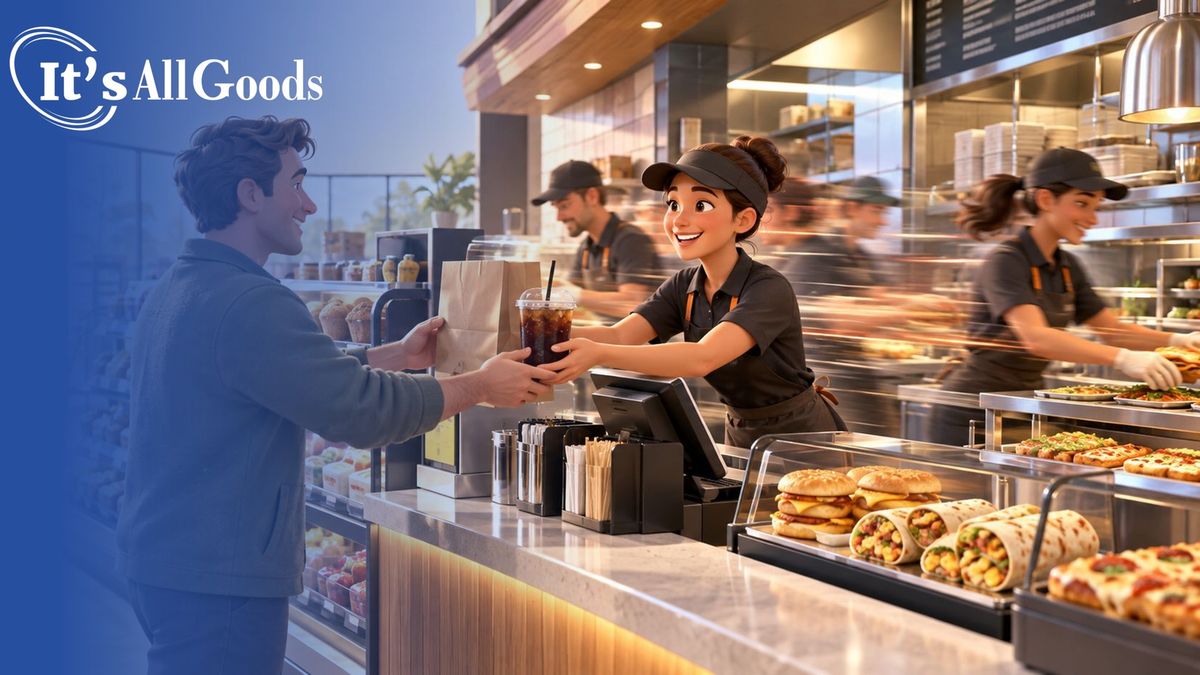
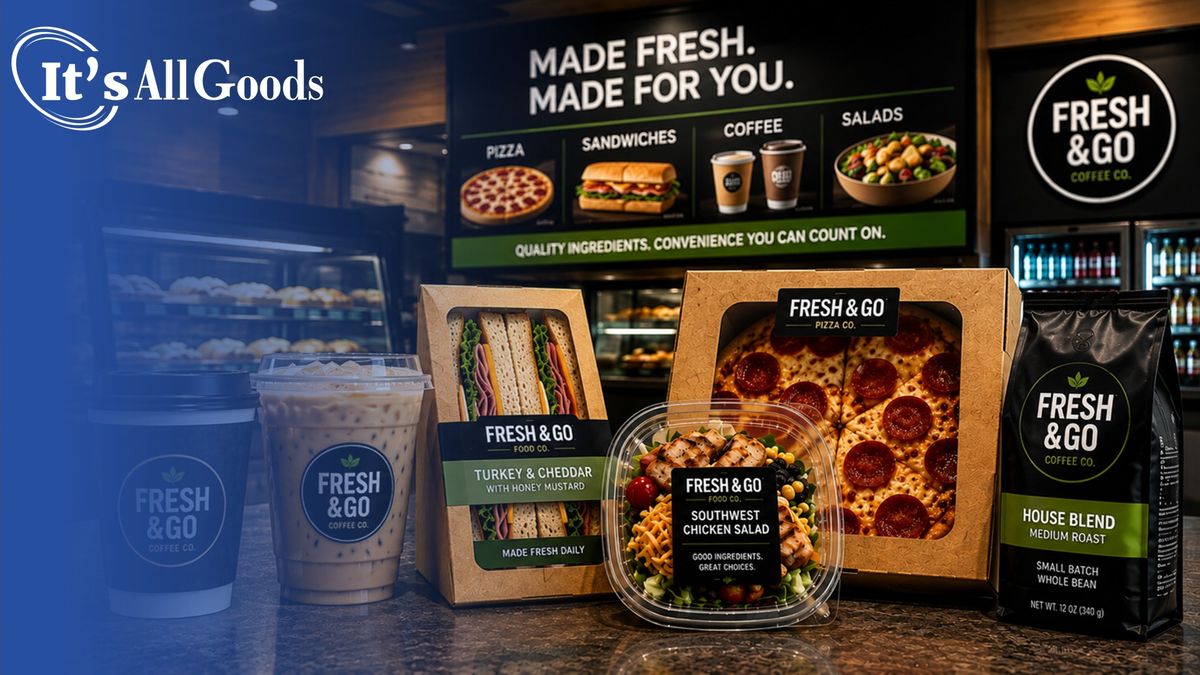
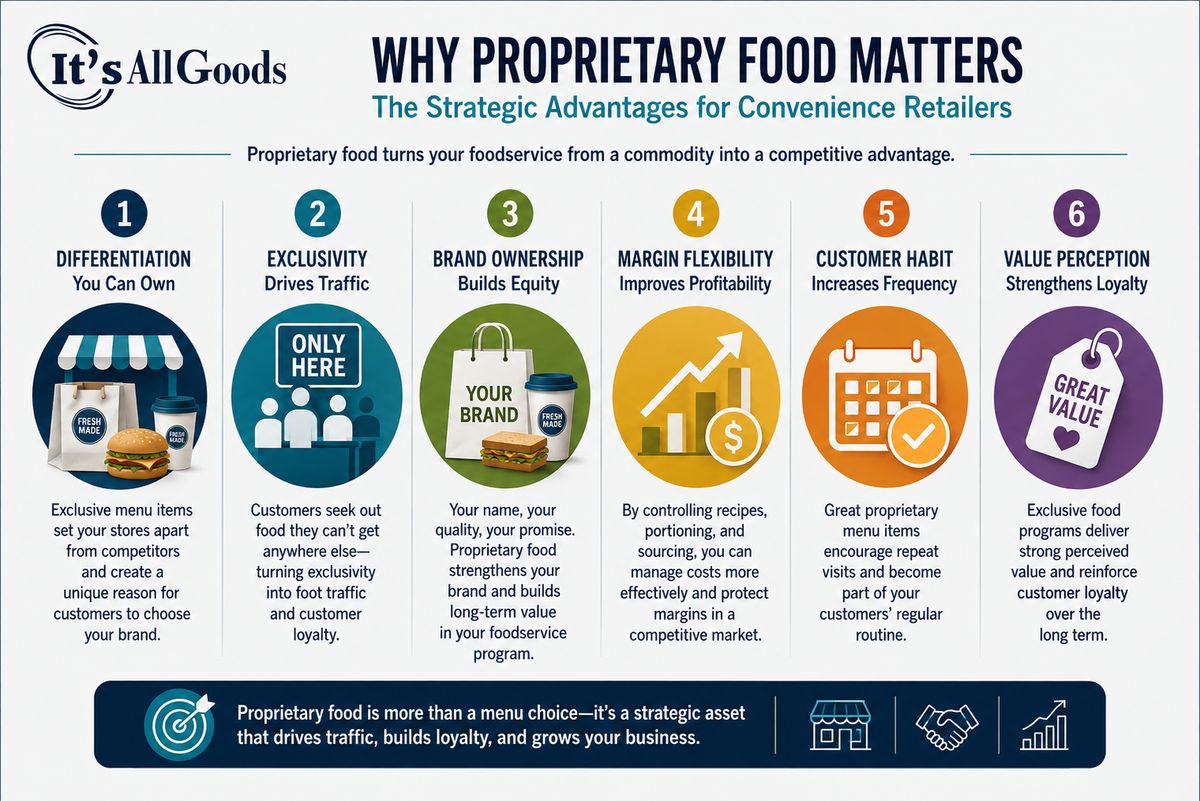
For convenience retailers, the opportunity extends beyond packaged snacks and beverages. Proprietary pizza, sandwiches, bakery products, coffee, beverages, prepared meals, and grab-and-go foods can become reasons customers choose one store over another. When a product is available only from that retailer, foodservice begins doing something national brands cannot do by themselves: making the store itself part of the product.
The broader retail market demonstrates how dramatically private label has changed. U.S. store-brand sales reached a record $282.8 billion in 2025, increasing 3.3% from the previous year compared with 1.2% growth for national brands. Store brands accounted for 21.3% of dollar sales and 23.5% of unit sales in the channels measured by Circana and the Private Label Manufacturers Association.
Those numbers include more than food and more than convenience retail, but they illustrate an important shift in consumer acceptance. Private label is no longer automatically interpreted as an inferior substitute. Retailers increasingly compete through product quality, innovation, health attributes, packaging, and brand presentation as well as price.
PLMA President Peggy Davies summarized that transformation:
“Private label growth reflects a shift in consumer priorities.”
Davies noted that retailer-owned products increasingly compete on value, quality, health, and sustainability rather than price alone.
That change creates room for convenience retailers to think about proprietary food differently. A store-branded sandwich does not have to imitate a national sandwich at a lower price. It can represent the retailer’s own culinary identity.
Convenience stores often sell many of the same nationally distributed products as their competitors. The same beverages, packaged snacks, candy, tobacco products, and household items may be available across several chains—and sometimes in grocery, drug, dollar, and mass-merchandise channels as well.
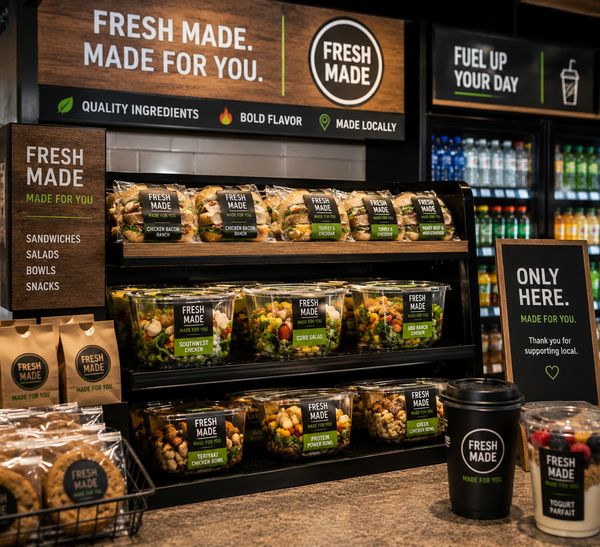
Proprietary food changes that competitive equation.
A customer who wants a retailer’s specific pizza, breakfast sandwich, coffee blend, bakery item, or prepared entrée has fewer substitutes. A competing store cannot place the identical product on its shelf simply by ordering it from the same national distributor.
That exclusivity can help transform foodservice from an amenity into a destination driver. The goal is not necessarily to make every item proprietary. National brands provide familiarity and trust, and in many categories they remain essential. The opportunity is to determine where exclusivity can give the retailer a meaningful reason to be chosen.
The strongest proprietary items often occupy places where the retailer can establish recognizable ownership: signature pizza, fresh bakery, breakfast, coffee, chicken, sandwiches, fountain beverages, or distinctive grab-and-go products.
Every proprietary product also functions as a brand touchpoint.
A national-brand snack primarily reinforces the manufacturer that produced it. A successful store-branded food item can reinforce the retailer. The packaging, recipe, naming, quality, presentation, and customer experience all become associated with the store itself.
This matters as convenience retailers compete increasingly on foodservice reputation. Customers may once have chosen a location primarily because of fuel, proximity, or speed. Today, retailers are trying to occupy territory traditionally associated with quick-service restaurants, coffee shops, bakeries, and fast-casual concepts.
A proprietary food program allows a retailer to build a culinary identity rather than merely assemble a collection of suppliers.
That identity must remain consistent. A highly promoted proprietary sandwich that varies significantly from store to store can weaken the brand rather than strengthen it. Private label therefore creates both an opportunity and an obligation: once the retailer’s name is attached directly to the product, performance reflects more visibly on the retailer.
Price remains important, but proprietary products offer retailers more flexibility in how value is constructed.
A retailer controls more of the product proposition: portion size, ingredients, packaging, positioning, bundles, preparation method, and promotional strategy. That can make it possible to build value around a combination of quality, convenience, exclusivity, and price rather than competing solely on the lowest possible ticket.
NACS has documented this approach among major convenience retailers. In its examination of value strategies, the association reported that 7-Eleven had more than 820 7-Select branded products and was connecting private-label products with proprietary food and beverages through bundled offers. Casey’s similarly uses private-label products across categories including snacks, beverages, and ice cream while emphasizing quality and affordability.
This distinction becomes especially important during periods of economic pressure. Customers may be highly price conscious without necessarily seeking the cheapest product available. A compelling proprietary offer can provide the perception that the customer is receiving something distinctive at a reasonable price rather than simply purchasing a lower-cost substitute.
7-Eleven provides a useful example because its strategy spans both conventional private-label merchandise and proprietary foodservice.
Its 7-Select portfolio gives the company ownership across hundreds of packaged products, while the broader store offer includes proprietary pizza, beverages, prepared foods, and other foodservice products. NACS has reported that the retailer deliberately looks for ways to connect consumer packaged goods with proprietary food, beverage, and private-brand products through value-oriented bundles.
The significance is not simply the number of private-label SKUs. The strategy allows different parts of the store to reinforce one another.
A national soft drink paired with proprietary pizza can create a meal occasion. A private-brand snack may complement a proprietary beverage. Promotions can move customers across categories while reinforcing the store as the organizing brand behind the experience.
That is a more developed role for private label than simply occupying shelf space beside national brands.
For smaller and regional retailers, the lesson is not to reproduce 7-Eleven’s scale. It is to recognize that proprietary products can become part of a connected foodservice system. Even one or two signature items can help establish an identity if they are distinctive, consistently executed, and supported across merchandising and marketing.
Private label is often associated with improved margin potential because retailers can exert greater control over product specifications, sourcing, packaging, and pricing. Removing some of the brand premium associated with nationally marketed products can also create room to offer customer value while preserving economics.
But margin should not be treated as automatic.
Developing proprietary products introduces costs and risks that do not exist in exactly the same form with established national brands. Retailers may face minimum production quantities, formulation work, packaging development, inventory commitments, quality-assurance requirements, labeling obligations, forecasting challenges, and potentially greater exposure to product waste.
Foodservice adds another layer. A proprietary prepared-food item may require specialized equipment, labor, storage, training, ingredients, or finishing procedures. The actual economics must therefore be measured across the complete system rather than only through ingredient cost or purchase price.
A product with attractive gross margin but poor turns, excessive waste, difficult execution, or inconsistent availability can become less valuable than its initial spreadsheet suggests.
This connects directly with IAG’s discussion of Executing Fresh Food Programs Without Creating Waste, where forecasting, production discipline, holding times, and inventory control determine whether prepared food translates into sustainable performance.
National brands arrive with established consumer expectations. Retailer-owned products require the retailer to create those expectations.
That begins with the product itself, but it extends into naming, packaging, signage, placement, photography, digital ordering, loyalty promotions, and employee communication. Customers should understand what the product is and why it belongs in the retailer’s food program.
Quality standards are equally important. The retailer’s name—or a brand created specifically by the retailer—is the promise behind the product. Poor packaging, inconsistent portions, unreliable availability, or weak execution therefore carries more direct reputational consequences.
This makes proprietary food fundamentally different from purchasing another item for resale. The retailer becomes not merely the seller but the steward of the brand.
Retailers should therefore be selective. A smaller portfolio of strong proprietary products is often more useful than a large collection of undifferentiated items. Products should have a clear reason to exist: better value, distinctive flavor, operational simplicity, unmet customer need, regional relevance, or another advantage customers can recognize.
The long-term strategic opportunity is repeat behavior.
When customers become attached to something they can obtain only from one retailer, the product can influence store choice. That effect is familiar in restaurant and coffee concepts, where signature menu items often become inseparable from the brand.
Convenience retailers can develop the same dynamic.
A customer may begin visiting because a store is close to the commute route, but a preferred coffee, breakfast sandwich, pizza, bakery item, or private-brand beverage can help turn convenience into preference. Eventually, the customer is not merely stopping at a convenient location. The customer is seeking a product.
Private-label growth throughout U.S. retail suggests consumers are increasingly comfortable making those choices. Store brands represented roughly one of every four units purchased across the grocery-oriented channels tracked by PLMA and Circana in 2025.
For convenience retailers, that acceptance removes one historical obstacle. The question is increasingly less about whether customers will buy a retailer-owned product and more about whether the product gives them a compelling reason to do so.
Private label and proprietary food give convenience retailers an opportunity to own more of the customer experience. They can differentiate the store, create exclusive products, support value positioning, strengthen foodservice identity, and develop customer habits that are difficult for competitors to reproduce exactly.
But ownership brings responsibility. The retailer also owns the product specification, execution expectations, quality perception, availability, and ultimately the customer’s judgment of the brand. The strongest proprietary programs therefore begin not with the desire to put a store name on more products, but with a clear understanding of where ownership can create meaningful customer value.

Subscribe to receive latest news
12968 Vallejo Circle, Westminster CO. 80234
Phone: (303) 604-1064