





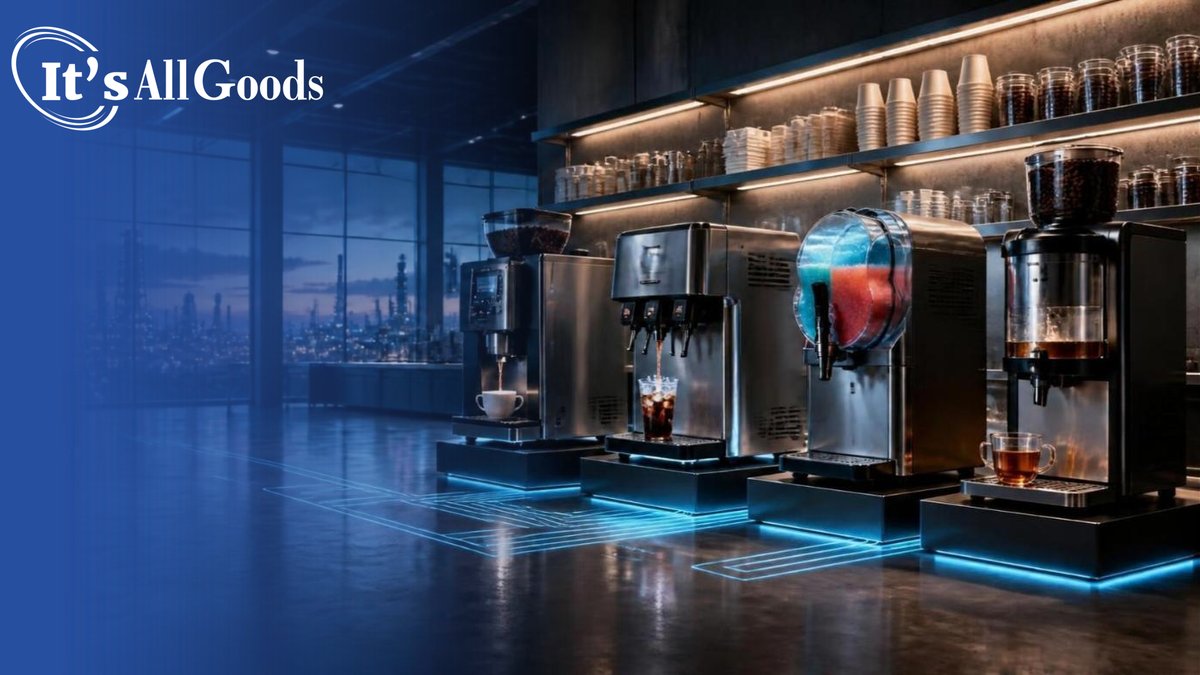
esigning a beverage program that supports foodservice is less about adding more drinks and more about how the program runs every day. Where the coffee and fountain sit, how drinks are bundled with food, whether the equipment works at 7 a.m., and whether every employee keeps the station fresh all decide whether beverages lift the food program or simply sit beside it. Small execution gaps add up quickly: a cold coffee carafe, an empty lid dispenser, or a fountain valve out of syrup can send a customer to the next stop, food purchase and all.
In Why Beverage Strategy Matters in Convenience Store Foodservice, It’s All Goods explained why non-alcoholic beverages are a multiplier for c-store foodservice. This article turns to execution, covering placement and flow, bundling and promotions, equipment reliability, staff training, and managing peak demand, followed by a look at how QuikTrip rebuilt its self-serve beverage program.

Placement determines whether a drink purchase leads to a food purchase. When the coffee bar sits beside the bakery case and the fountain is visible from the hot food counter, the pairing is suggested before the customer decides. When beverages are tucked in a back corner away from food, customers fill a cup and head straight to the register.
Suppliers recommend making the beverage area easy to see. Kevin Martello, vice president of foodservice and industry relations at Keurig Dr Pepper, told NACS Magazine, “Make the fountain highly visible by placing it in high-traffic zones and prominently featuring a variety of flavors and LTOs.” He added that keeping customization at the center, with syrups, sweet creams, and other add-ins, helps drive repeat visits.
Flow matters as much as visibility. A coffee bar, fountain, and condiment station crowded into one narrow aisle create a bottleneck during the morning rush, while a layout that separates hot drinks, cold drinks, and condiments lets several customers move at once. Retailers should also place lids, sleeves, straws, and carriers where customers finish building their drinks, not where they start, so people are not reaching across one another. A simple test is to watch the station during a busy hour and note where customers stop, wait, or backtrack.
Bundles turn a natural pairing into a reason to buy both items. They work best when the combination matches a real occasion and the price is easy to understand. 7-Eleven’s Laredo Taco Company, for example, offers a $5 breakfast deal of a small coffee and two breakfast tacos and a $7 lunch deal of two tacos and a Big Gulp, according to C-Store Dive. Both pair a drink with the food customers already buy at that time of day.
Promotions also need discipline. Circle K’s Sip & Save beverage subscription, launched in 2021, offered one drink per day for a monthly fee that started at $5.99 and later rose to $9.99. Company leaders said it drove foodservice trips and improved in-store baskets, and the U.S. program reached 24,000 subscribers in late 2022. In March 2023, however, Brian Hannasch, Couche-Tard’s CEO at the time, cited heavy promotional activity for Sip & Save and the coffee program as a reason merchandise and service gross margins were depressed, and parent company Alimentation Couche-Tard ended the subscription in March 2024, according to C-Store Dive’s report on the program’s end.
The lesson is not that beverage promotions fail, but that they need clear goals and limits. Retailers should define what a promotion is meant to achieve, such as trial of a new drink, a larger morning basket, or more afternoon traffic, and then measure whether it delivers food attachment, not just drink volume. Limited-time flavors, seasonal drinks, and loyalty rewards that require a food purchase can create excitement without permanently lowering the price of the store’s most profitable drinks.
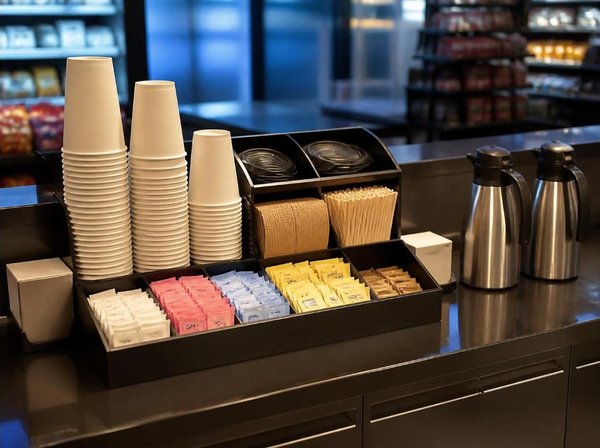
A beverage program is only as dependable as the machines behind it. An out-of-order coffee brewer or a frozen machine that will not freeze does more than lose a drink sale. It breaks a routine, and routine is what makes beverages valuable to foodservice. A customer who cannot get their morning coffee may skip the breakfast sandwich too, and may try a competitor the next day.
Reliability starts with preventive maintenance. Spencer Turer, vice president of Coffee Enterprises, an independent coffee and tea testing lab, recommends in a Convenience Store News column that brewing and serving equipment be cleaned to like-new condition every shift. He also advises confirming water quantity and temperature monthly, checking water quality annually, and confirming the grind with the roaster or equipment supplier at least twice a year. Fountain and frozen equipment need similar routines for cleaning, syrup and CO₂ levels, and filter changes.
Retailers can reduce downtime further by keeping service contacts posted at the station, logging every outage, and tracking which machines fail most often. Those records make it easier to schedule maintenance before busy seasons and to decide when a machine should be replaced rather than repaired again.
Customers expect the same drink every time, and consistency depends on people as much as equipment. Store teams need to know how to brew, hold, refresh, and clean each platform, and they need clear standards for when to discard product. Turer recommends holding coffee no longer than 30 minutes in open glass pots or carafes and no longer than 90 minutes in closed insulated containers, noting that “holding times are to manage flavor acceptability, not temperature.”
Those standards matter because beverage quality is what earns the second visit. Turer put the point directly in the same column:
“Merchandising will help capture the first sale, but only flavor quality will keep your customers returning.”
— Spencer Turer, Vice President, Coffee Enterprises
Practical training focuses on a short list of repeatable tasks. Brew and freshness timers, station checklists completed at set times, and clear ownership of the beverage area on every shift help keep standards from slipping when the store gets busy. New employees should learn the beverage station as part of foodservice training rather than as an afterthought, since the drink is often the first thing a customer touches and the last thing they remember about the visit.
Beverage demand is concentrated in predictable windows, with hot coffee heaviest in the morning and cold drinks building through lunch and the afternoon. Those windows are also when food purchases happen, so a beverage station that cannot keep up slows the entire foodservice operation. Datassential found that 62% of consumers bought a prepared cold, frozen, or hot beverage on their last c-store visit, making prepared beverages the most commonly purchased c-store category, according to C-Store Dive.
Preparing for the rush starts before it begins. Stores can brew in staggered batches so fresh coffee is ready without large amounts aging in carafes, restock cups, lids, and condiments before the peak, and assign one employee to check the beverage area every few minutes during the busiest hour. Self-serve formats help, but only when they are stocked and working.
Technology offers another route. Huy Do, trendologist and research and insights manager for Datassential, said that borrowing ideas from quick-service restaurants “means mobile ordering, order-ahead pickup, and dedicated pickup areas” for c-stores. For made-to-order drinks in particular, letting customers order ahead and pick up both a drink and food item can shorten lines while making the pairing easier.
QuikTrip, which operates more than 1,100 convenience stores in 21 states, offers an example of a retailer redesigning its beverage program around execution. Its “Bevolution” program replaced fountain, tea, and frozen drink equipment across its markets, with remodels expected to be complete by summer 2026, according to CSP. By June 2026, the program was in a majority of QuikTrip stores, C-Store Dive reported.
The new equipment addresses several of the issues covered in this article. The digital fountain offers more than 40 flavors and, according to C-Store Dive, makes every flavor available from every dispensing position, so customers are not waiting for a specific valve. The custom tea machine, which won a 2025 Kitchen Innovations award from the National Restaurant Association, brews fresh tea with adjustable sweetness, and the frozen machine dispenses four flavors from a single barrel. QuikTrip corporate chef Ryan Boone told CSP that the new fountain “pours a really great glass of soda every time” and that “the change to a digital touchscreen is going to improve congestion.”
The program shows how equipment decisions shape consistency, variety, and speed at the same time. By choosing machines that standardize quality, reduce crowding at peak times, and make it easier to add limited-time flavors, QuikTrip built a beverage station designed to keep customers moving, and coming back, while they shop the rest of the store.
Beverage programs drive foodservice sales when they are designed for daily execution. Put beverages where they suggest food, lay out the station so customers can move through it quickly, and build bundles around real meal occasions with clear goals and limits. Keep equipment clean and maintained on a schedule, and give every shift simple freshness standards and checklists.
Above all, plan for the rush. The busiest beverage hours are also the busiest food hours, so a station that stays stocked, fresh, and fast protects the whole foodservice program. Retailers that get these basics right will be ready for what comes next, from expanded customization to new beverage technology.
Place coffee near bakery and breakfast items and keep the fountain visible from hot food. Suppliers recommend high-traffic zones with flavors and limited-time offers clearly featured.
Pair items customers already buy together at a set time of day, such as coffee with breakfast or a fountain drink with lunch, at a simple price, and measure food attachment, not just drink volume.
Coffee Enterprises’ Spencer Turer recommends cleaning brewing and serving equipment to like-new condition every shift and confirming water quantity and temperature monthly.
Turer recommends no more than 30 minutes in open glass pots or carafes and no more than 90 minutes in closed insulated containers, because holding times protect flavor.
Brew in staggered batches, restock before the peak, assign someone to monitor the station, and consider order-ahead pickup for made-to-order drinks paired with food.

Subscribe to receive latest news
12968 Vallejo Circle, Westminster CO. 80234
Phone: (303) 604-1064





