

dding healthier food to a convenience store sounds simple until it reaches the store. A new salad needs fresh produce that spoils quickly. A grain bowl needs another prep step. A lighter wrap needs its own label, its own shelf space, and a team that knows how to build it the same way on every shift. Each addition seems small, but together they can slow service, raise waste, and complicate a program that depends on speed.
The retailers that succeed with better-for-you foodservice rarely treat it as a separate menu. They work it into the existing operation by highlighting what they already sell, adjusting recipes rather than multiplying them, letting packaging and portions carry part of the message, and making healthier choices easy for customers to find in a few seconds. The goal is not a wellness program that runs alongside the core business. It is a core business that happens to offer credible healthier choices.
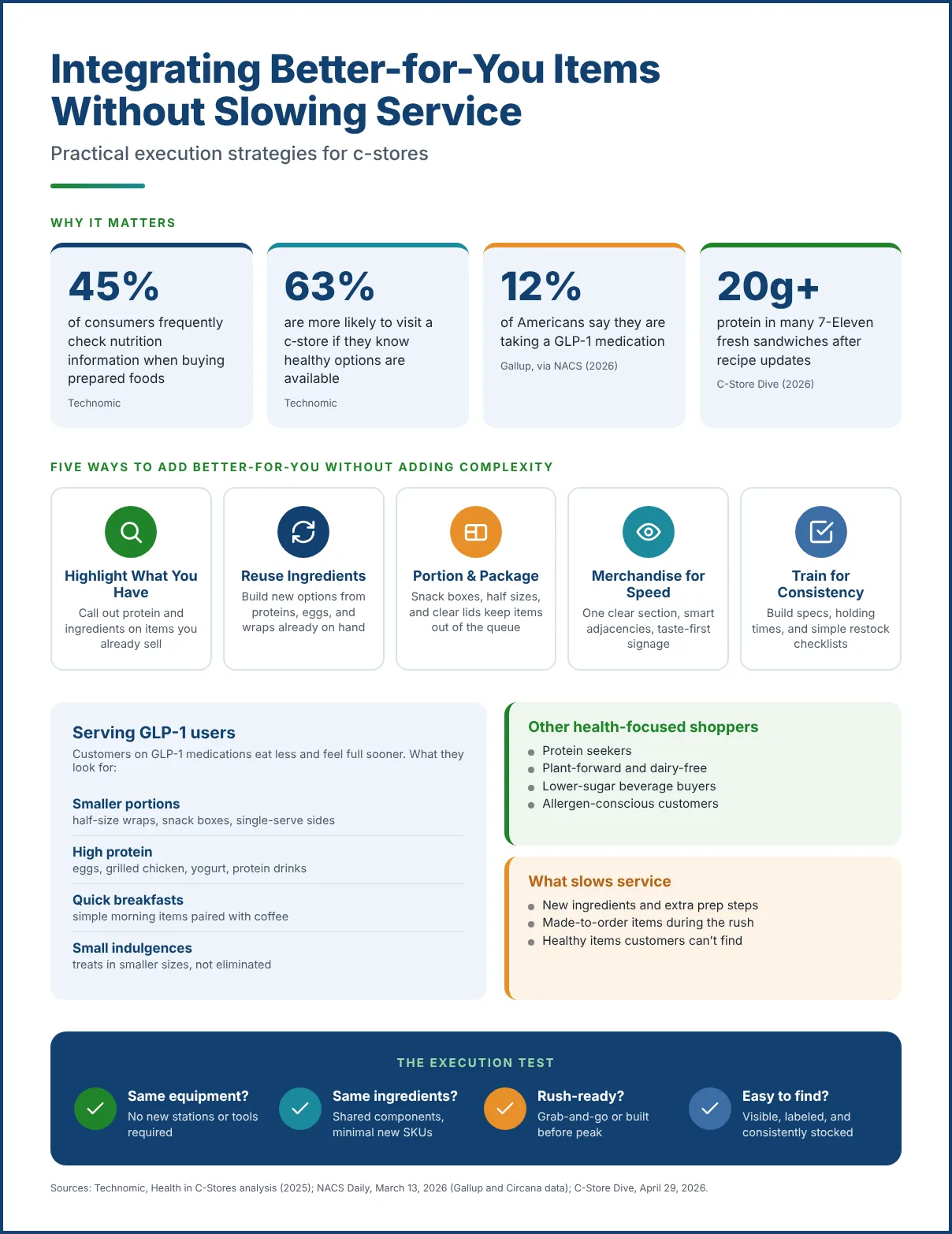
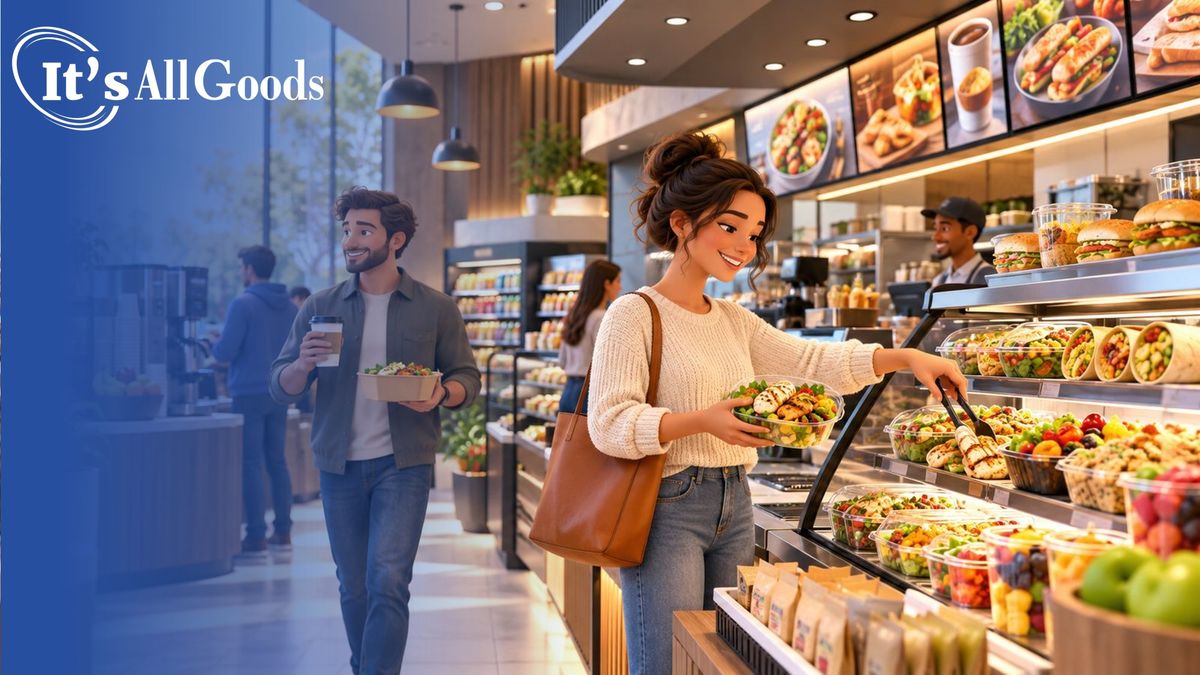
Most c-store menus already include items that customers would consider better-for-you: hard-cooked eggs, fruit cups, yogurt, grilled chicken, turkey sandwiches, salads, and nuts. The problem is often visibility rather than availability. If those items carry no protein callout, sit in an unmarked corner of the cooler, or look identical to everything around them, customers never connect them with the healthier choice they were looking for.
Technomic recommends starting there. In its analysis of health and c-store foodservice, the firm advises retailers to identify the healthful attributes they already offer and highlight them on menus, marketing, and packaging. That matters because 45% of consumers frequently check nutritional information when ordering or buying prepared foods and beverages, according to the same research. A clear protein count or ingredient callout on an existing item costs far less than a new SKU and adds nothing to prep time.
An honest audit of the current menu is the most efficient first step: which items already deliver meaningful protein, produce, or portion control, and which could qualify with a minor change?
The fastest way to slow a foodservice program is to add items that require new ingredients, new equipment, or new assembly steps. Every unique ingredient adds an ordering line, a holding requirement, and another opportunity for waste. Every new process adds training time and another point where a busy shift can fall behind.
Better-for-you options work best when they reuse what the kitchen already handles. A grilled chicken breast used in a hot sandwich can also top a salad or a grain bowl. The eggs used for breakfast sandwiches can become a protein snack box. Whole-grain bread or a tortilla wrap can be a simple swap on an existing build rather than a new item. Technomic points to subtle improvements of this kind, such as ingredient swaps that keep taste intact and require little operational change, as one of the most practical routes for retailers.
This approach mirrors the throughput principles explored in It’s All Goods’ Improving Throughput Without Adding Labor: simplify tasks before increasing pace, and design a menu the kitchen can actually deliver. A healthier item that requires a separate prep station during the lunch rush is not a healthier menu. It is a bottleneck.
In a convenience setting, the package often communicates more than the menu board. Clear lids show freshness. Compartment trays make a balanced meal easy to understand at a glance. Smaller portion sizes and snack boxes give customers a lighter option without requiring a separate recipe.
Portioning also supports execution. Pre-portioned components reduce variation between shifts, simplify food-cost control, and make waste easier to track. Many better-for-you items are naturally suited to grab-and-go formats, which keeps them out of the made-to-order queue during peak periods. Technomic’s research found that consumer perception of the cold case as a source of healthful items has risen five points since 2022, a sign that refrigerated grab-and-go is becoming a credible place to shop for lighter meals.
Smaller formats also match how customers increasingly eat, with several smaller occasions replacing a traditional meal.
“It’s becoming the foundation of modern convenience eating as snacks are replacing meals.”
— Suzy Badaracco, President, Culinary Tides, on the role of protein
Packaging should still be chosen carefully. Labels need accurate nutrition and allergen information, and retailers should avoid broad health claims they cannot substantiate. Specific, factual callouts, such as protein grams or whole grains, are clearer for customers and safer for the business.
One group deserves particular attention. GLP-1 medications such as semaglutide and tirzepatide are changing how millions of Americans eat. According to NACS reporting on how c-stores can serve GLP-1 shoppers, 12% of Americans say they are taking a GLP-1 medication, citing Gallup, and Circana counted 2.9 million more consumers filling GLP-1 prescriptions than a year earlier. Technomic puts the share of adults who are currently using or have recently used the drugs at nearly 20%.
These customers typically eat less, feel full sooner, and prioritize protein, fiber, and hydration. For a convenience store, that shifts demand toward smaller portions, high-protein snacks, simple breakfasts, and single-serve beverages rather than large combo meals. Industry analysts quoted by NACS point to smaller portions and quick breakfasts as clear opportunities, while cautioning retailers not to abandon indulgent items entirely, since GLP-1 users still buy treats in smaller sizes.
The operational good news is that serving GLP-1 users rarely requires new equipment. A protein snack box, a half-size wrap, a hard-cooked egg pack, or a yogurt cup can usually be built from ingredients already in the store. The same options also serve a wider set of health-focused shoppers: customers seeking more protein, those choosing plant-forward or dairy-free items, those reducing sugar in beverages, and those managing food allergies. A small set of well-labeled items covering protein, portion control, plant-based choices, and lower-sugar drinks can meet most of these needs without a separate menu for each.
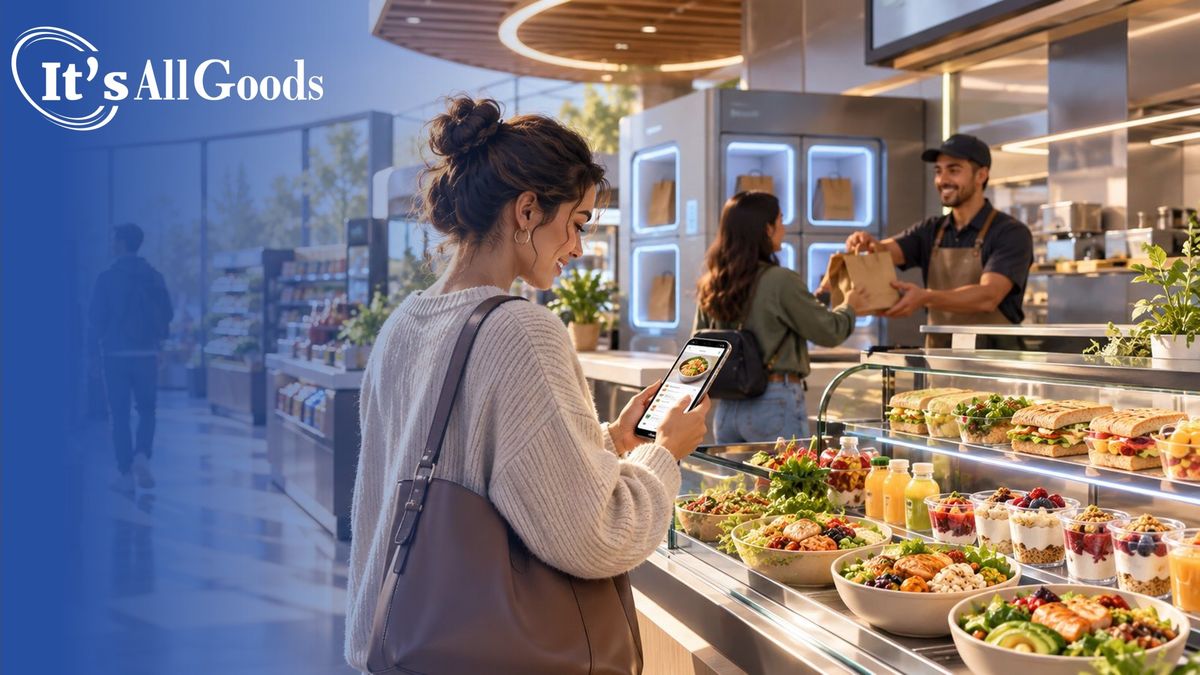
Convenience customers make food decisions in seconds. If finding a healthier option requires searching the cooler, reading every label, or asking an employee, many will default to a familiar indulgent item or leave without buying food at all.
Good merchandising shortens that decision. Grouping better-for-you items in a consistent, clearly marked section of the cold case helps customers find them quickly. Placing protein-forward items near coffee in the morning or near beverages at lunch connects them to the purchase the customer is already making. Simple signage that leads with taste and benefit, such as “20g protein” or “made fresh today,” works better than generic wellness language. Technomic also advises leading with taste, flavor, portion, and brand rather than nutrition alone.
Visibility pays off at the front door, too. According to Technomic, 63% of consumers say they are more likely to visit a c-store if they know healthy foodservice options are available, and three in ten enter the store actively looking for them. That makes in-store placement and outside communication part of the same strategy.
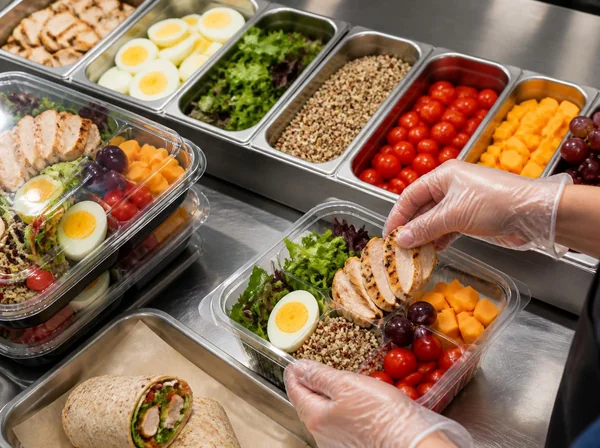
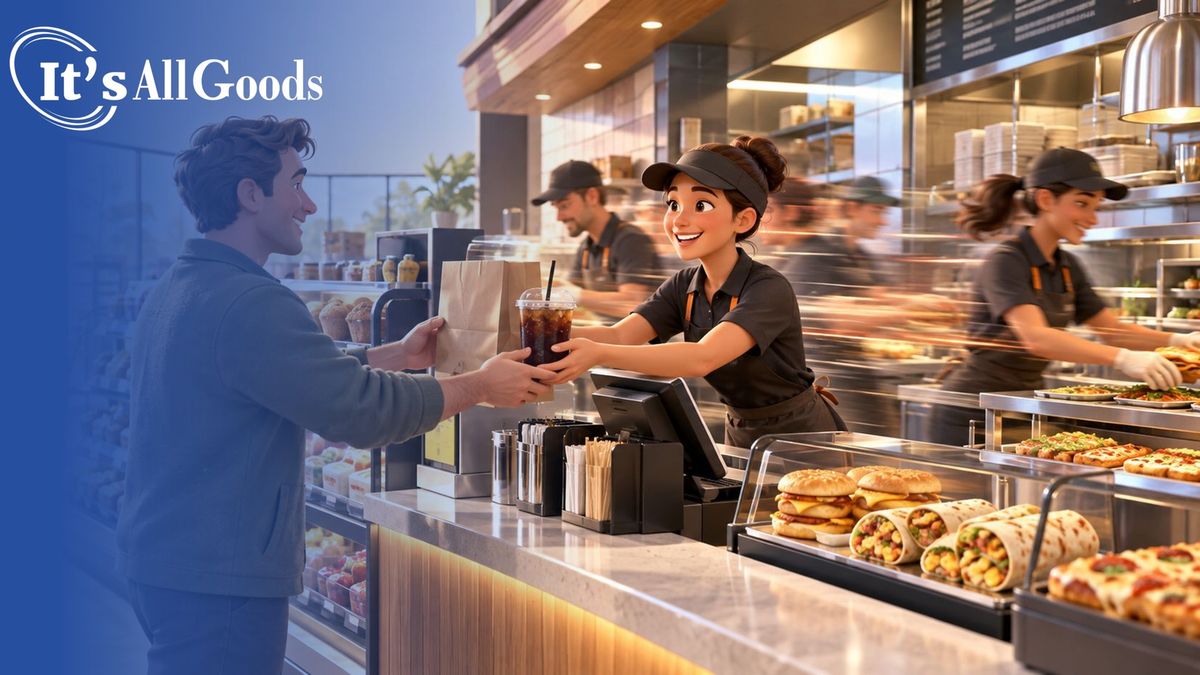
Store teams do not need to become nutrition experts to support a better-for-you program. They need clear build specifications, simple holding and rotation rules, and enough product knowledge to answer basic questions such as which items are high in protein or which contain a common allergen.
Consistency matters more than enthusiasm. A salad that looks fresh on Monday and wilted on Thursday undermines customer trust faster than not offering a salad at all. Visual build guides, labeled holding times, and a short checklist for opening and mid-day restocking help healthier items look the same on every shift. When those items share ingredients and procedures with the rest of the menu, they also fit into training that employees already receive, rather than becoming a separate program to learn.
7-Eleven offers a useful example of integrating better-for-you choices into an existing operation rather than building a new one. As C-Store Dive reported in April 2026, the retailer adjusted recipes so that many of its fresh sandwiches now exceed 20 grams of protein and added protein callouts to fresh sandwiches, breakfast sandwiches, and wraps. It also expanded protein-focused private label lines and added protein bars, yogurt, and overnight oats to its on-the-go assortment.
The approach relies on improving items customers already buy rather than adding complex new builds. 7-Eleven places protein items across the cold vault, foodservice areas, and key endcaps, often next to complementary purchases such as morning coffee. The retailer reports selling about 62,000 protein drinks daily, more than half purchased as breakfast replacements, and says roughly 40% of its most frequent customers actively seek options with more than 20 grams of protein.
Smaller operators can apply the same principle at their own scale. The same C-Store Dive report noted that Wally’s grouped its high-protein products into a single “protein alley” that shoppers can find immediately. Neither approach depends on a new kitchen or a dedicated wellness menu. Both depend on making the right items visible and easy to choose.
Better-for-you foodservice does not have to slow a convenience store down. The most effective programs start with items the store already sells, build new options from existing ingredients and equipment, use portions and packaging to communicate value, and merchandise healthier choices so customers can find them in seconds.
The operational test is simple: if a healthier item requires a separate process, it will struggle during the rush. If it fits naturally into the way the store already works, it can grow quietly into a meaningful part of the business. Retailers that design for execution first will find it far easier to offer the healthier choices customers increasingly expect.
Build better-for-you items from existing ingredients and equipment, favor grab-and-go formats that stay out of the made-to-order queue, and avoid new prep steps during peak periods.
Audit the current menu. Many stores already sell items with meaningful protein, produce, or portion control. Adding clear callouts and better placement for those items costs little and requires no new prep.
Usually not. Grilled proteins, eggs, wraps, yogurt, and fresh produce can typically be prepared and held with equipment c-stores already use for their existing foodservice programs.
Offer smaller portions, high-protein snacks, simple breakfast items, and single-serve beverages. These options can usually be built from existing ingredients and also appeal to other health-focused shoppers.
Use specific, factual information such as protein grams, whole grains, and complete allergen details. Avoid broad health claims that cannot be substantiated.
Employees need clear build specifications, holding and rotation rules, and basic product knowledge. When healthier items share procedures with the rest of the menu, they fit into existing training rather than becoming a separate program.

Subscribe to receive latest news
12968 Vallejo Circle, Westminster CO. 80234
Phone: (303) 604-1064