

hen convenience stores primarily sold packaged snacks, bottled beverages, and shelf-stable products, food safety responsibilities were relatively contained. The expansion into fresh sandwiches, prepared meals, made-to-order foods, bakery items, salads, pizza, fried chicken, and specialty beverages has fundamentally changed that risk profile. Many convenience retailers now operate food programs with processes resembling those of restaurants, commissaries, bakeries, and small commercial kitchens.
That growth creates enormous opportunity, but it also raises the consequences of inconsistent execution. A food-safety failure can harm customers, interrupt operations, create waste, attract regulatory attention, damage employee confidence, and weaken years of brand building. Food safety therefore cannot be treated as a compliance exercise conducted before an inspection. It must be designed into the menu, equipment, workflow, training, supervision, and culture of the foodservice program.
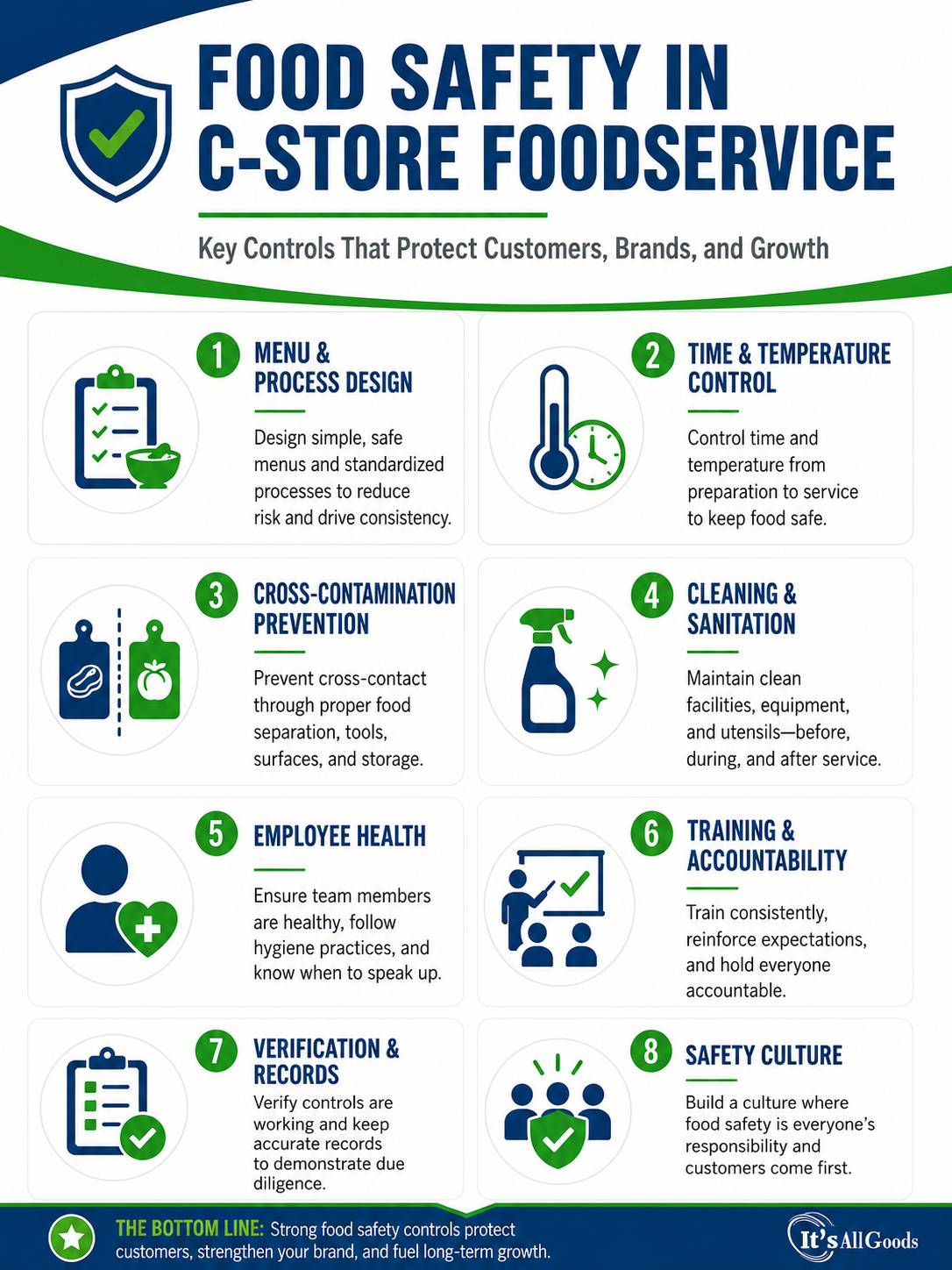
Every new foodservice process introduces decisions that can affect safety. Employees may receive refrigerated ingredients, thaw frozen products, prepare raw foods, cook proteins, cool prepared items, refill service stations, package grab-and-go products, and clean equipment—all during the same shift. A program that appears simple to the customer may involve dozens of critical actions behind the counter.
The public-health stakes are substantial. The Centers for Disease Control and Prevention estimates that foodborne diseases cause approximately 48 million illnesses, 128,000 hospitalizations, and 3,000 deaths in the United States each year. Contamination may occur when food is inadequately cooked, improperly refrigerated, exposed to contaminated hands or surfaces, or allowed to contact raw ingredients. Cleaning, separating, cooking, and chilling food correctly remain recurring protections.
For a convenience retailer, the challenge is not merely knowing these principles. The organization must translate them into repeatable practices that work at 6 a.m. during breakfast, at noon during a lunch rush, late at night with a smaller crew, and at every store in the network.
A safe foodservice program begins before the first employee is trained. Menu developers and operations teams must evaluate how each product will be received, stored, prepared, cooked, held, served, and discarded. The number of ingredients, required preparation steps, potential allergens, necessary holding conditions, and employee contact points all influence risk.
A menu can become operationally unsafe when it requires more simultaneous processes than the kitchen, equipment, or labor model can reliably support. Adding raw proteins to a compact preparation area, for example, may require dedicated storage, separate utensils, additional sanitation procedures, and more employee training. Introducing refrigerated grab-and-go products creates responsibilities for temperature monitoring, date marking, rotation, and disposal.
Equipment selection is part of this planning. Refrigeration must consistently maintain safe temperatures; cooking equipment must achieve required internal temperatures; holding equipment must protect food throughout the intended service period; and food-contact components must be accessible for proper cleaning. These decisions complement the broader principles discussed in Choosing Equipment That Supports Real-World Foodservice Execution.
Food safety improves when retailers simplify unnecessary complexity. A focused menu executed safely and consistently is more valuable than an extensive menu that overwhelms employees or exceeds the practical capacity of the kitchen.
Time and temperature control is one of the most important—and most vulnerable—parts of prepared foodservice. Refrigerated ingredients must remain cold, cooked foods must reach safe temperatures, hot-held products must stay within approved limits, and food must be cooled or discarded according to established procedures.
The U.S. Food and Drug Administration publishes the FDA Food Code, a model used by state, local, tribal, and territorial jurisdictions when developing retail food regulations. It addresses cooking temperatures, cold and hot holding, date marking, employee health, sanitation, equipment, and other controls affecting retail and foodservice establishments. Because jurisdictions adopt and adapt the model differently, multi-state retailers must also understand the requirements that apply in each operating area.
The difficult part is sustaining compliance during real operations. A thermometer that is available but rarely used provides little protection. A temperature log completed from memory at the end of a shift does not verify that food remained safe. Effective systems establish who checks each product or unit, when the check occurs, what limits apply, what corrective action is required, and how managers confirm that the process was completed properly.
Digital monitoring can improve visibility, but technology does not eliminate the need for sound procedures. Sensors may identify a refrigeration problem, yet employees still need clear instructions for evaluating affected food, documenting the incident, contacting maintenance, and preventing unsafe products from being sold.
Cross-contamination is often associated with raw meat touching ready-to-eat food, but the risk extends throughout the operation. Contaminants can move through hands, gloves, cutting boards, utensils, slicers, containers, towels, equipment controls, beverage stations, refrigerator handles, and cleaning tools.
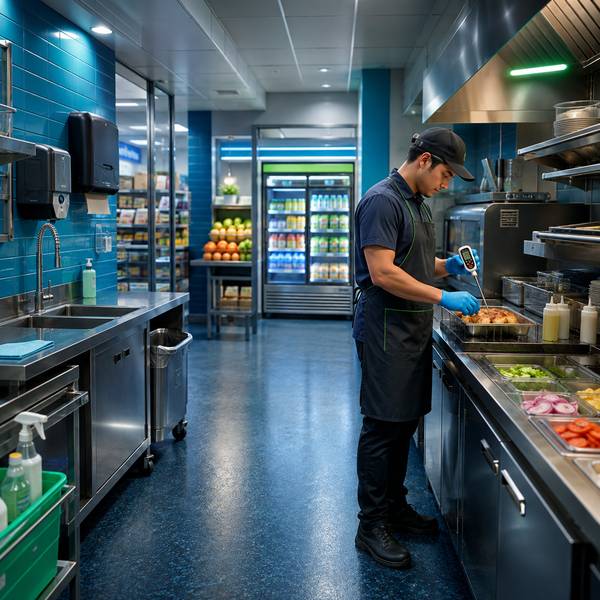
CDC research involving retail delis illustrates how ordinary operational gaps can accumulate. Among the delis studied, one in six had a refrigerator that was too warm, one in four had sanitizer at an improper concentration, and approximately half did not fully clean their slicers at the recommended frequency. The research also found instances in which raw meat was not adequately separated from ready-to-eat products. Stores with certified managers, employee training, written cleaning policies, and recorded refrigerator temperatures were more likely to follow recommended practices. The CDC’s retail-deli findings reinforce the importance of combining physical controls with training, documentation, and management oversight.
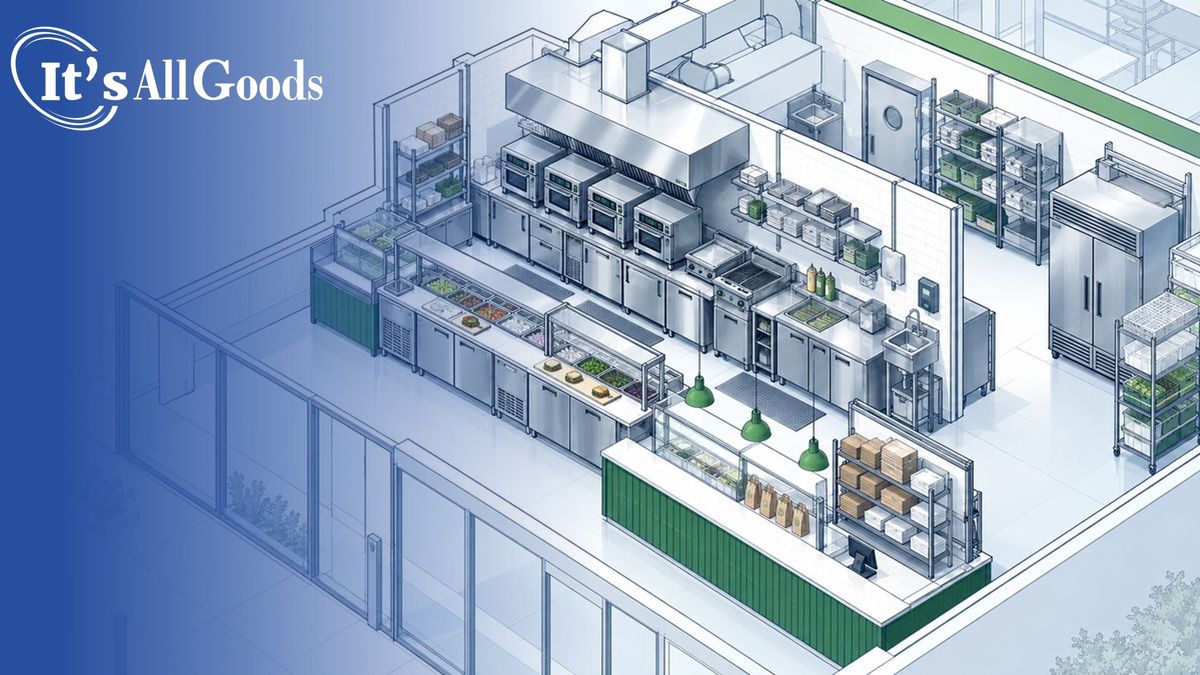
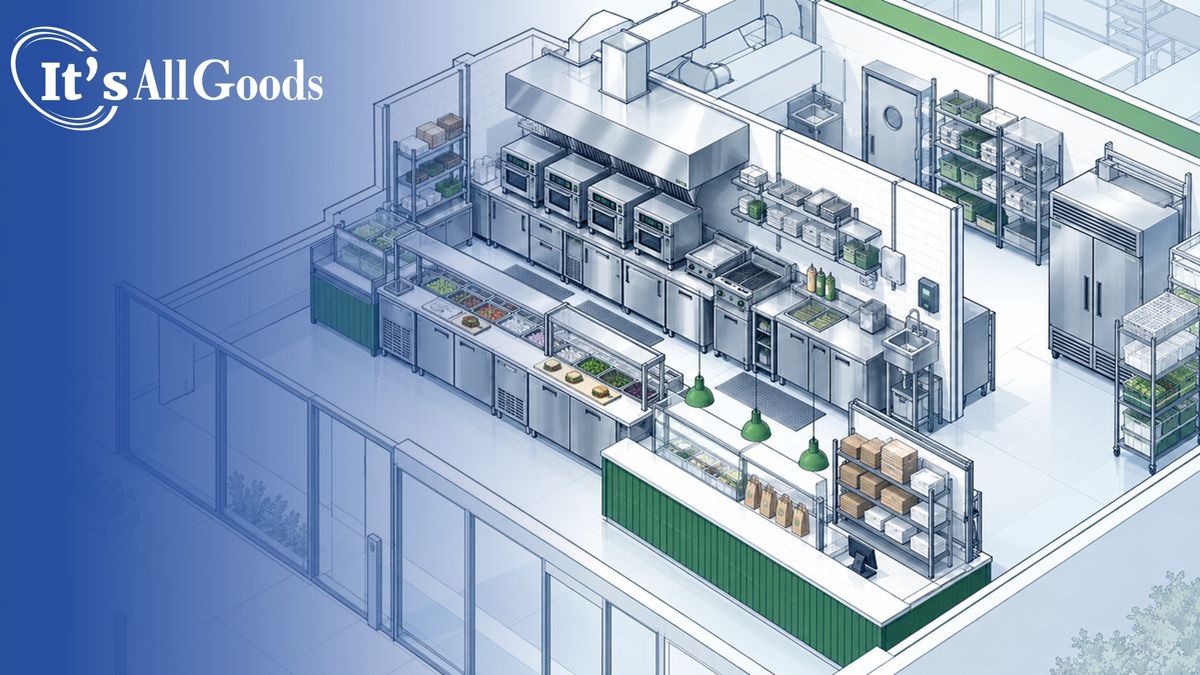
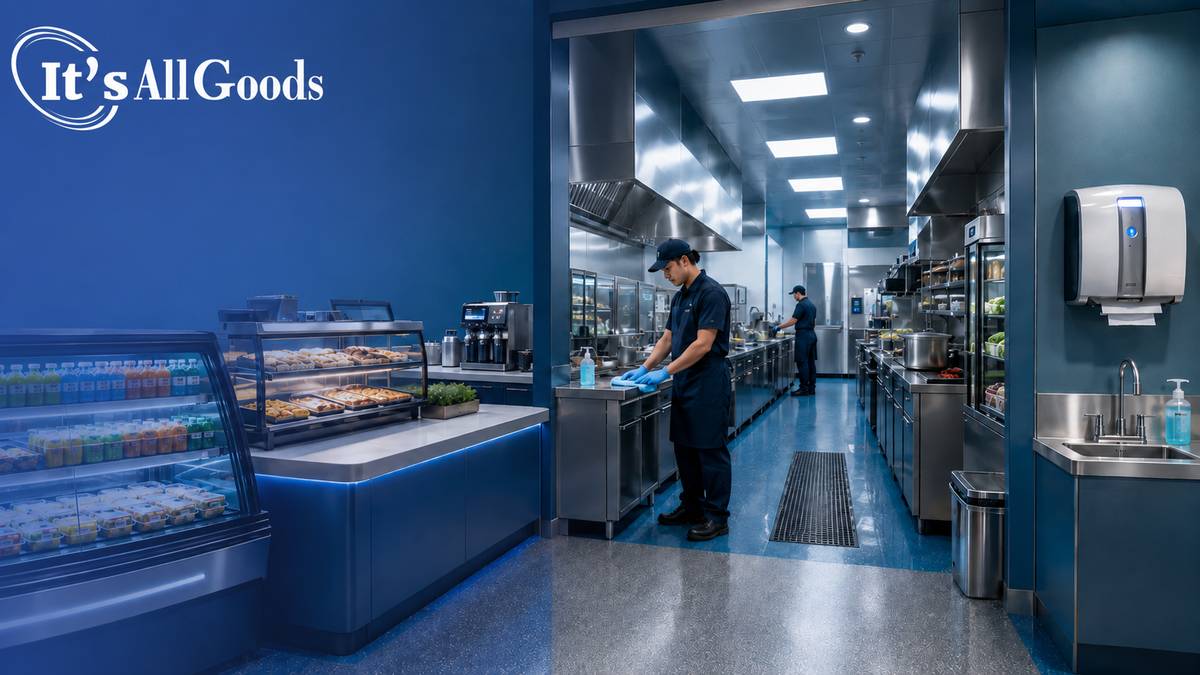
Kitchen layout can either support or undermine these controls. Employees need enough room to move between preparation, cooking, holding, and cleaning areas without carrying contaminants across work zones. Handwashing sinks must be accessible rather than blocked by storage. Sanitizers, disposable gloves, clean utensils, and test strips must be positioned where employees can use them without interrupting service.
Cleaning schedules must also reflect actual equipment use. A generic instruction to “clean regularly” is far less effective than a procedure identifying the responsible role, cleaning method, approved chemical, required concentration, disassembly steps, frequency, and verification method.
Policies do not protect customers unless employees can carry them out. Frontline workers make food-safety decisions continually: whether to change gloves, discard a questionable product, report an equipment problem, wash a utensil again, check a temperature, or tell a manager they are ill.
Training must therefore go beyond presenting regulations. Employees need to understand what can go wrong, how to recognize a risk, what action to take, and why the requirement matters. Demonstration and supervised practice are particularly important for thermometer use, equipment cleaning, allergen procedures, handwashing, chemical concentration testing, and responding to temperature deviations.
Management behavior sends an equally powerful message. Employees quickly notice whether speed is rewarded at the expense of safety, whether managers correct incomplete records, and whether workers can report illness without pressure to remain on duty. Employee-health policies should clearly define when workers must be restricted or excluded from food handling and how illness concerns are reported.
A strong safety culture does not depend on employees being perfect. It creates processes that make the safe action clear, practical, visible, and expected—even when the store is busy.
Kwik Trip provides a useful example of treating food safety as an enterprise-level responsibility rather than a store-level checklist. As the retailer expanded from a largely roller-grill-based offer into a broader prepared-food program, company leadership identified foodborne illness as a risk capable of causing severe organizational damage.
That concern helped elevate food safety throughout the company. According to Marty Putz, then director of food safety and quality assurance for Kwik Trip:
“When your CEO says this is an issue that could destroy our company, it puts it high on people’s radar.”
The retailer’s approach, as described in Putting Safety First in Foodservice, included training across organizational levels and leadership involvement in establishing food safety as a cultural priority. The example demonstrates why programs become stronger when senior leaders treat safety as part of business performance rather than leaving it solely to inspectors, quality-assurance personnel, or store managers.
For growing retailers, the lesson is not that every company must duplicate Kwik Trip’s exact structure. It is that food safety needs visible ownership, appropriate resources, consistent expectations, and reinforcement from the top of the organization to the employee preparing the food.
Customers do not separate food safety from food quality. A dirty preparation area, poorly maintained restroom, disorganized service station, or employee handling food carelessly can weaken confidence even when no illness occurs. Cleanliness and disciplined execution signal that the retailer takes its food program seriously.
Food safety also supports financial performance. Strong controls can reduce spoilage, prevent unnecessary disposal, improve equipment reliability, strengthen inspection outcomes, protect product consistency, and reduce the likelihood of operational disruption. They also give retailers a sounder foundation for adding new products and expanding foodservice across additional locations.
The goal is not to create so many procedures that employees cannot serve customers efficiently. The better objective is to design foodservice so safe execution is also the easiest and most logical way to work. Clear workflows, practical menus, appropriate equipment, accessible sanitation resources, defined responsibilities, and effective supervision allow safety and speed to reinforce rather than compete with one another.
Convenience-store foodservice cannot grow sustainably unless food safety grows with it. As retailers prepare more fresh and made-to-order foods, they assume responsibilities that reach far beyond basic regulatory compliance. Every menu decision, equipment choice, employee action, and management priority can affect customer protection.
Retailers that build safety into their operating model are better positioned to deliver consistent food, earn customer trust, manage risk, and expand confidently. Food safety is not an obstacle to foodservice growth. It is one of the essential systems that makes growth possible.

Subscribe to receive latest news
12968 Vallejo Circle, Westminster CO. 80234
Phone: (303) 604-1064
Contact Us