

or most of the channel’s history, health was something convenience-store shoppers left at the door. Customers expected a hot dog, a fountain drink, and a bag of chips, and retailers felt little pressure to offer much else. Healthier choices, where they existed at all, tended to be a basket of bananas near the register or a lone salad in the cooler.
That arrangement no longer holds. As c-stores compete for full meal occasions, they are judged by the same standards shoppers apply to restaurants and grocery prepared foods, and those standards increasingly include ingredients, nutrition, and balance. Health and wellness have not replaced indulgence or speed, but they have become a real factor in where customers buy food and whether they come back.
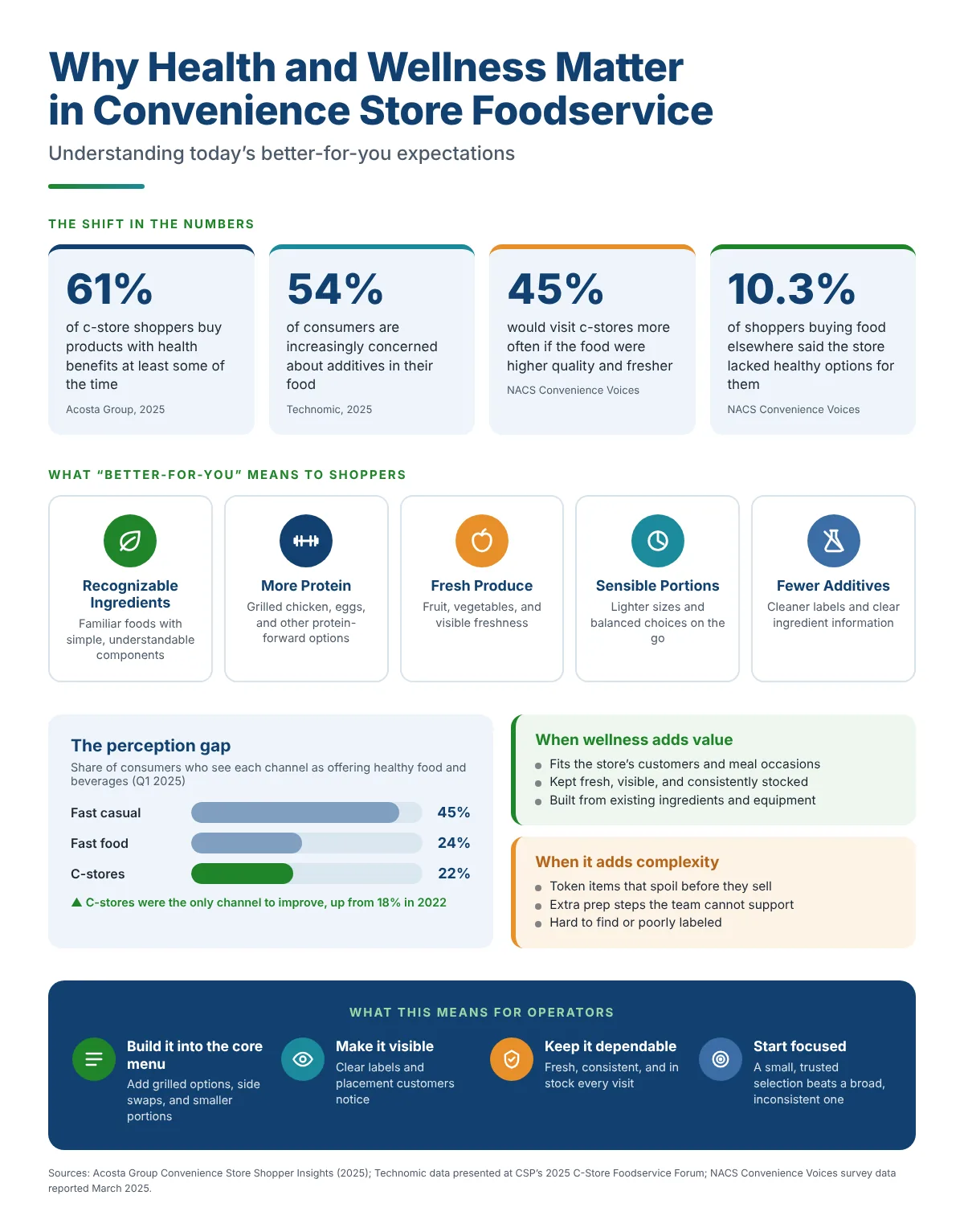
Interest in healthier eating is no longer confined to a small group of dedicated shoppers. Acosta Group’s 2025 convenience-store shopper research found that 61% of c-store shoppers buy products with health benefits at least some of the time, and that half look for natural or organic attributes at least occasionally. Nearly as many look for clean-label products.
The same research points to protein as one of the clearest areas of growth, with Acosta executives describing a sharp rise in demand for protein-based products. That matters for foodservice because protein-forward items, from grilled chicken bowls to egg-based breakfast options, can be built on the same equipment and ingredients many c-stores already use.
The shift is gradual rather than dramatic. Most shoppers are not abandoning comfort food. What has changed is that a meaningful share of customers now expect at least some credible healthier options to be available when they want them, and they notice when those options are missing.
One reason wellness can feel difficult to act on is that “healthy” means different things to different customers. For some, it means fewer calories or smaller portions. For others, it means more protein, more produce, or fewer artificial ingredients. A growing number think less about what to avoid and more about what a food positively contributes.
Technomic research presented at CSP’s 2025 C-Store Foodservice Forum found that 54% of consumers are increasingly concerned about additives in their food, while 53% say they seek out nutritious foods that are good for them. Technomic also noted that restrictive, diet-oriented framing has fallen out of favor with many consumers.
Younger customers are moving furthest in this direction. Technomic’s need-state tracking showed the share of Gen Z consumers saying they “need it healthy” rising four percentage points since 2022, with millennials up three. As these customers move into their peak earning and spending years, their expectations are likely to shape c-store menus for a long time to come.
“They’re looking for ingredients that they recognize as being better for them.”
— Donna Hood Crecca, Senior Principal, Technomic
That distinction is useful for operators. Better-for-you does not have to mean a separate low-calorie menu. Often it means familiar foods made with recognizable ingredients, honest portioning, visible freshness, and clear information that lets customers decide for themselves.
The same customer who buys a protein bowl at lunch may stop for pizza on the way home. Consumers rarely sort themselves neatly into “healthy” and “indulgent” groups; they make different choices depending on the occasion, the time of day, and how they feel. As It’s All Goods explored in The Future Convenience Food Customer, shoppers increasingly decide by occasion rather than by fixed category.
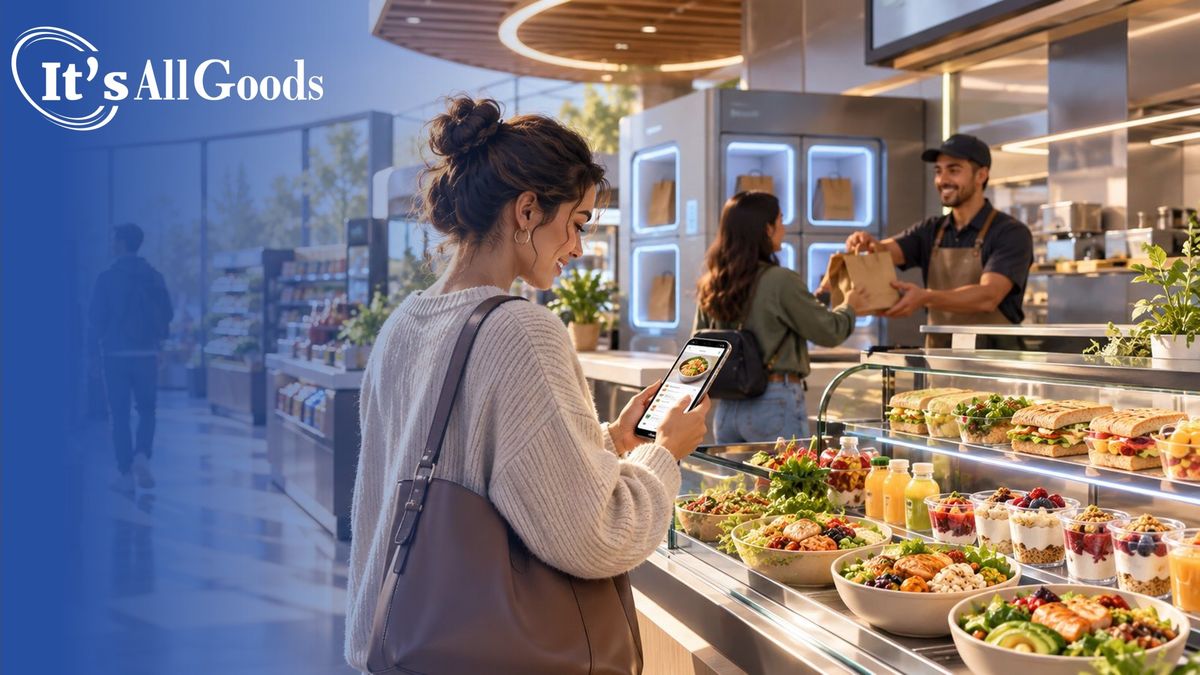
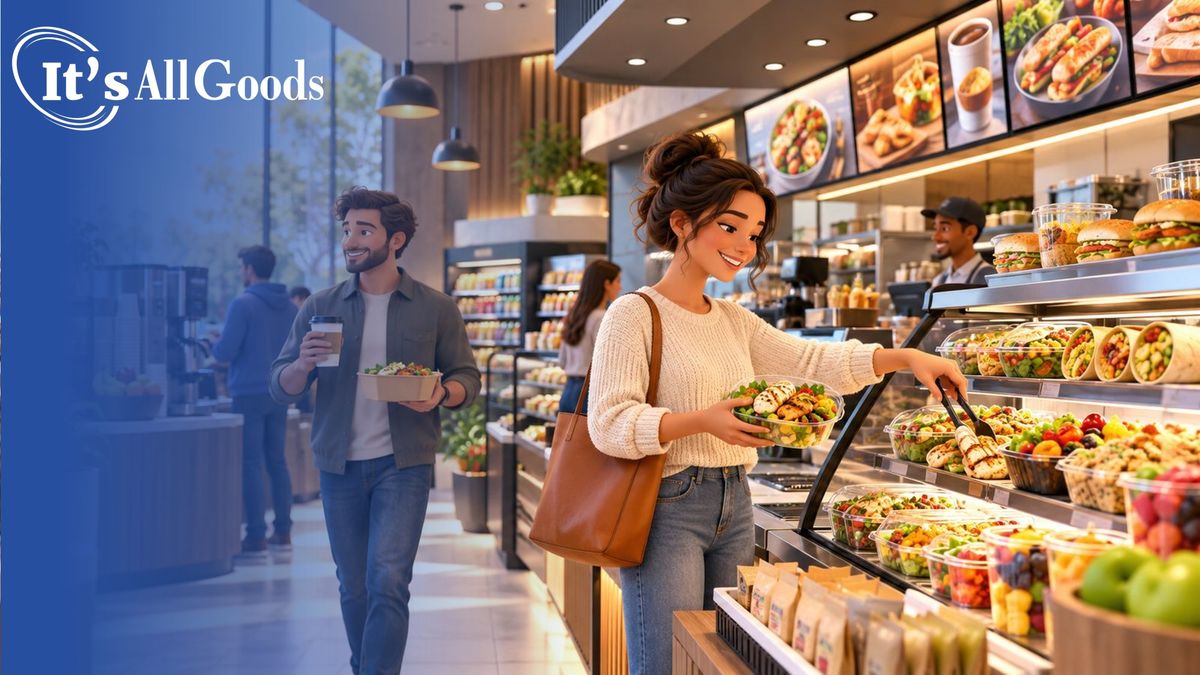
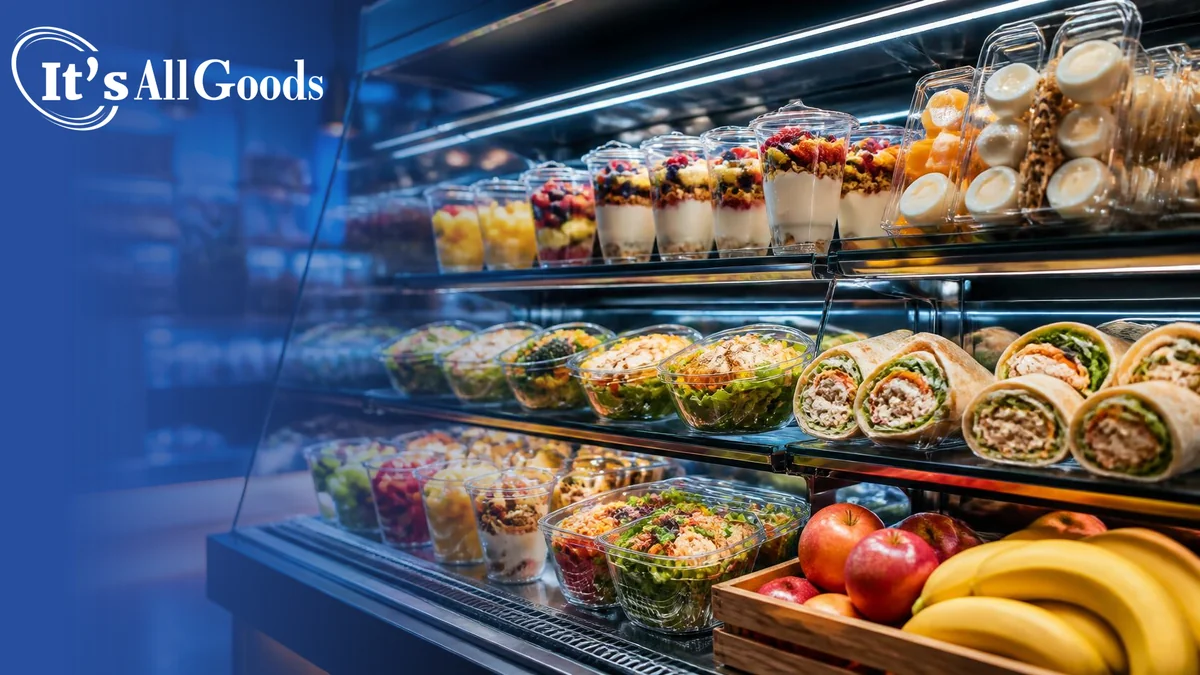
For c-store foodservice, that means wellness is not a competing strategy to indulgence. It is a way to keep more of a customer’s occasions inside the store. A program that offers a craveable breakfast sandwich alongside a fruit cup, a yogurt parfait, or a lighter wrap gives the customer a reason to stay rather than go elsewhere.
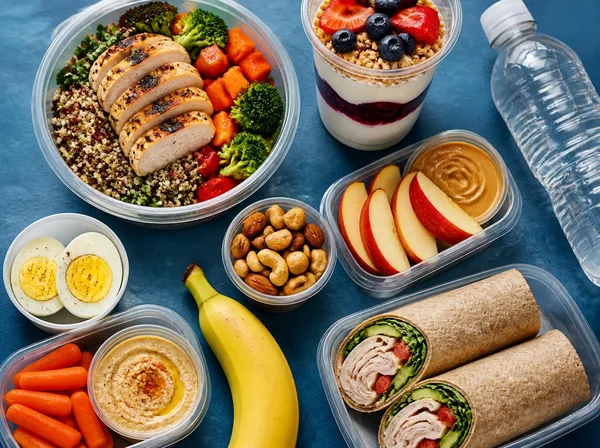
The most practical approach is often to build better-for-you options into the core menu rather than create a separate wellness section. Grilled protein alternatives, side swaps, smaller portion sizes, and produce-forward items can share ingredients and equipment with existing offerings, which keeps execution manageable.
Even where c-stores have improved their offerings, perception lags behind reality. The same Technomic data showed that only 22% of consumers perceived c-stores as offering healthy food and beverages in early 2025, compared with 45% for fast-casual restaurants and 24% for fast-food chains. C-stores ranked lowest among the channels measured.
There is encouraging news inside that number. C-stores were the only channel whose healthy perception improved, rising from 18% in 2022, while fast-casual and fast-food perception declined slightly. The channel is gaining credibility, but from a low starting point.
Closing that gap is partly a product challenge and partly a communication challenge. Customers cannot reward healthier choices they never notice. When better-for-you items are buried in the cooler, poorly labeled, or inconsistently stocked, shoppers fall back on the old assumption that c-stores offer only indulgent food. Visible freshness, clear ingredient information, and consistent availability do more to change perception than broad health claims.
Wellness becomes a business issue when it affects traffic. NACS research on better-for-you demand from its Convenience Voices survey found that 45% of respondents would visit c-stores more often if the food were higher quality and fresher. Among customers who planned to buy food elsewhere shortly after leaving a store, 10.3% said there were not enough healthy options for them at that location, and 9.8% said the food was not fresh enough.
Those figures describe sales that already reached the store and then walked out. The customer was on the property, often already paying for fuel or a beverage, but the food program did not meet their needs. For a channel that has spent years working to earn meal occasions, losing a ready buyer to the restaurant down the road is one of the most avoidable forms of leakage.
That does not mean every store needs a large wellness assortment. Healthier options add the most value when they match the store’s customer base and meal occasions, can be kept fresh, and are visible enough to be found. They add the least when they are token additions that spoil before they sell, crowd out proven items, or create prep steps the team cannot support. A small, dependable selection that customers trust will usually outperform a broad assortment that is inconsistently maintained.
Kwik Trip, the La Crosse, Wisconsin–based chain operating across Wisconsin, Minnesota, and Iowa, offers one of the clearest long-running examples of better-for-you convenience at scale. In 2014 it became the first convenience-store chain to partner with the Partnership for a Healthier America (PHA), committing to carry at least four varieties of fresh fruit and four of fresh vegetables in all of its stores and to expand its whole-grain offerings.
The approach was practical rather than dramatic. Kwik Trip introduced an EatSmart label to flag healthier choices, became the first convenience retailer to offer a PHA-approved combo meal, and later broadened its assortment with items such as packaged nuts, granola bars, fruit parfaits, and hard-cooked eggs. Company leaders have described the early goal as simply drawing attention to fresh produce Kwik Trip had already been selling for years.
The results were measurable. Bulk produce sales rose 5.5% in the first year of the commitment, and by 2019 the chain was selling an estimated 1 million bananas a week, according to CSP’s account of how Kwik Trip built a healthy food culture. Those items sit alongside Kwik Trip’s hot food and bakery offerings rather than replacing them, an example of wellness expanding a food program instead of competing with it.
The lesson for other operators is not the scale but the method: a focused set of dependable, visible, easy-to-execute items, clearly labeled and consistently stocked, sustained over years rather than launched as a one-time campaign.
Health and wellness have moved from the edge of convenience-store foodservice toward its center. Shoppers increasingly care about ingredients, protein, freshness, and balance, and they bring those expectations to c-stores just as they do to restaurants and grocery prepared foods. Perception of the channel is improving, but it still trails the competition.
The opportunity is less about reinventing the menu than about making credible, familiar, better-for-you choices easy to find and dependable to buy. Retailers that treat wellness as part of everyday menu design, rather than as a niche category or a marketing claim, will be better positioned to keep customers’ meal occasions in their own stores.
As c-stores compete for full meal occasions, customers judge them against restaurants and grocery prepared foods. A growing share of shoppers expect at least some credible healthier options, and some will buy food elsewhere when those options are missing.
It varies by customer. Common priorities include recognizable ingredients, fewer additives, more protein, fresh produce, and sensible portions. Many shoppers respond better to positive attributes than to restrictive diet language.
Usually not. Building better-for-you options into the core menu through grilled proteins, side swaps, smaller portions, or produce-forward items is often easier to execute and keeps choices visible to more customers.
Perception is improving but remains low. Technomic data from early 2025 showed 22% of consumers perceived c-stores as offering healthy food and beverages, the lowest of the channels measured but the only one that improved since 2022.
They can when they are poorly planned. Items that spoil before they sell, require complicated prep, or are hard to find can increase waste and complexity. A small, well-maintained selection matched to the store’s customers tends to perform better.

Subscribe to receive latest news
12968 Vallejo Circle, Westminster CO. 80234
Phone: (303) 604-1064